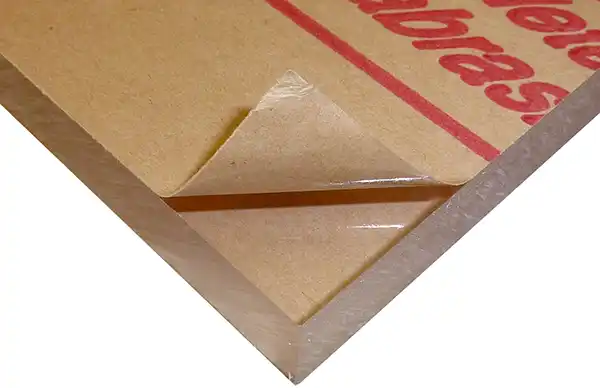


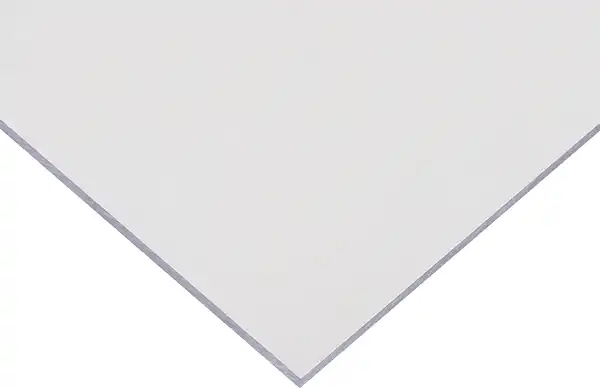


Acrylic sheet is 17 times stronger than glass, has excellent clarity, durability, and is lightweight.

Buy cut-to-size acrylic (PMMA) sheet, rod, and tube. Often called plexiglass, acrylic offers glass-like clarity, lower weight than glass, and good shatter resistance in clear and specialty finishes.
Acrylic sheet is 17 times stronger than glass, has excellent clarity, durability, and is lightweight.
Extruded Acrylic has moderate properties, easy handling and processing, and low cost.

Extruded Acrylic has moderate properties, easy handling and processing, and low cost.

Acrylic sheet is 17 times stronger than glass, has excellent clarity, durability, & is lightweight.

Cast acrylic sheet with abrasion resistant coating on both sides. Lightweight & scratch resistant.

Premier framing grade acrylic sheet.

Museum-quality UV protected acrylic sheet.
P99 Acrylic has a matte finish, non-glare surface, which minimizes reflection for glare-free viewing.

Non-glare Acrylic has a matte finish, non-glare surface, which minimizes reflections.

Clear continuous cast acrylic sheets. Also formerly known as Lucitelux.

Plaskolite Optix prismatic acrylic lighting panels offer excellent efficiency & glare control.

Acrylic sheet is 17 times stronger than glass, has excellent clarity, durability, and is lightweight.

Ultra-clear blue tinted cast acrylic.
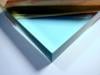
Acrylic sheet is 17 times stronger than glass, has excellent clarity, durability, & is lightweight.

Acrylic sheet is 17 times stronger than glass, has excellent clarity, durability, & is lightweight.

Acrylic sheet is 17 times stronger than glass, has excellent clarity, durability, & is lightweight.

Acrylic sheet is 17 times stronger than glass, has excellent clarity, durability, and is lightweight

Acrylic sheet is 17 times stronger than glass, has excellent clarity, durability, and is lightweight.

Acrylic sheet is 17 times stronger than glass, has excellent clarity, durability, and is lightweight.
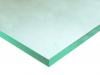
Acrylic sheet is 17 times stronger than glass, has excellent clarity, durability, and is lightweight.

Acrylic sheet is 17 times stronger than glass, has excellent clarity, durability, and is lightweight.

Acrylic sheet is 17 times stronger than glass, has excellent clarity, durability, and is lightweight.

Acrylic sheet is 17 times stronger than glass, has excellent clarity, durability, and is lightweight.

Acrylic sheet is 17 times stronger than glass, has excellent clarity, durability, and is lightweight.

Acrylic sheet is 17 times stronger than glass, has excellent clarity, durability, and is lightweight.

Acrylic sheet is 17 times stronger than glass, has excellent clarity, durability, and is lightweight.

Acrylic sheet is 17 times stronger than glass, has excellent clarity, durability, and is lightweight.

Acrylic sheet is 17 times stronger than glass, has excellent clarity, durability, and is lightweight

Acrylic sheet is 17 times stronger than glass, has excellent clarity, durability, and is lightweight.

Acrylic sheet is 17 times stronger than glass, has excellent clarity, durability, and is lightweight.

Acrylic sheet is 17 times stronger than glass, has excellent clarity, durability, and is lightweight.

Acrylic sheet is 17 times stronger than glass, has excellent clarity, durability, and is lightweight.

Acrylic sheet is 17 times stronger than glass, has excellent clarity, durability, and is lightweight.

Acrylic sheet is 17 times stronger than glass, has excellent clarity, durability, and is lightweight.

Acrylic sheet is 17 times stronger than glass, has excellent clarity, durability, and is lightweight.

Acrylic sheet is 17 times stronger than glass, has excellent clarity, durability, and is lightweight.

Acrylic sheet is 17 times stronger than glass, has excellent clarity, durability, and is lightweight.

Acrylic sheet is 17 times stronger than glass, has excellent clarity, durability, and is lightweight.

Acrylic sheet is 17 times stronger than glass, has excellent clarity, durability, and is lightweight

Acrylic sheet is 17 times stronger than glass, has excellent clarity, durability, and is lightweight.

Acrylic sheet is 17 times stronger than glass, has excellent clarity, durability, and is lightweight

Acrylic sheet is 17 times stronger than glass, has excellent clarity, durability, and is lightweight.

Acrylic sheet is 17 times stronger than glass, has excellent clarity, durability, and is lightweight.
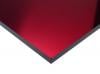
Acrylic sheet is 17 times stronger than glass, has excellent clarity, durability, and is lightweight.
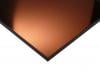
Acrylic plexiglass mirror: 17 times stronger than glass, great clarity, durability, & lightweight.

Acrylic plexiglass mirror: 17 times stronger than glass, great clarity, durability, & lightweight.

Acrylic plexiglass mirror: 17 times stronger than glass, great clarity, durability, & lightweight.

Acrylic plexiglass mirror: 17 times stronger than glass, great clarity, durability, & lightweight.

Acrylic plexiglass mirror: 17 times stronger than glass, great clarity, durability, & lightweight.

Acrylic rod is 17 times stronger than glass, has excellent clarity, durability, & is lightweight.

PMMA, Poly(methyl methacrylate). Extruded Acrylic has moderate properties & easy handling.
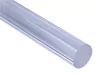
Acrylic tube is 17 times stronger than glass, has excellent clarity, durability, & is lightweight.
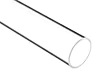
PMMA, Poly(methyl methacrylate)
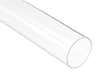
Our sneeze guard cleaning and disinfecting kit has everything needed to safely clean sneeze guards.

A superior solution for sanitizing sneeze guards - effective against COVID-19.
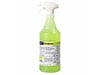
Sci-Grip Weld-On 45 works well for bonding unprepared and corrosion resistant plastics.

Comes with Brillianize Plastic Cleaner & Polish as well as two microfiber towels.

Perfect for dusting, cleaning and polishing easy to scratch surfaces.

Perfect for dusting, cleaning and polishing easy to scratch surfaces.

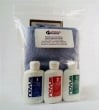
2oz bottles of Novus 1, 2, and 3 as well as a microfiber towel and cleaning wipes.
10" x 18" microfiber dry cleaning cloth for static and dust control.

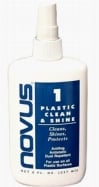
Gently cleans without scratching and leaves a smooth finish that resists finger marks and fogging.
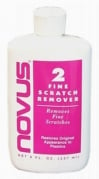
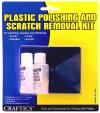
Removes fine scratches, haziness and abrasions from most plastics.
Restore older, deeply damaged acrylic and plastic fixtures.
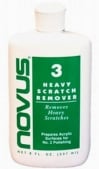
Prepares plastic edges for gluing, to repair surface scratches, and to polish surfaces.
 WARNING: This product can expose you to chemicals including Ethyl acrylate, CAS 140-88-5, which are known to the State of California to cause cancer. For more information go to www.P65Warnings.ca.gov.