As per our Shipping and Returns Policy, custom cuts and fabricated parts are non-returnable. If you need an over- or undersized item, note it under "Comments" during Checkout. Cut-to-size orders have an acceptable cut tolerance of 1/8" (0.125"), so clarify if the adjustment is to be made on the (+) or (-) side of the saw blade.Please review our full return and shipping policy here.
Measure Twice, Cut Once
Since custom cuts and fabricated parts are non-refundable, be very careful while measuring your dimensions. As each cut is nominal, even the slightest miscalculation could be costly.
How to Use a Measuring Tape
Extend your tape measure several inches to find the 1 and 2 inch markers. In between the inch markers you’ll find 16 equally spaced tick marks.
Measure by counting the increments beyond the nearest inch. As the increments decrease, so does the length of the mark. For example, 1/2" has a bigger mark than 1/4" which has a bigger mark than 1/8". The smallest mark follows at 1/16". Please be aware that some measuring tapes may have even smaller increments.
Features of a Measuring Tape: Sliding End Hook
The sliding end hook is designed for two different types of measurements. An outside measurement (where the hook of the tape hangs over an edge), requires the hook to slide out a bit to account for the thickness of the material. When making an inside measurement (where the hook will push up against a surface), the clip slides in, again, accounting for its thickness. The measuring tape self-adjusts to guarantee an accurate measurement (as far as the tape is concerned).
Sanitizing Acrylic and Polycarbonate Sheet [X]
Acrylic and Polycarbonate Sneeze Guards and like products require special care while cleaning and disinfecting. To maintain the optical clarity of sneeze guards and other acrylic or polycarbonate items, use an acrylic or polycarbonate safe cleaner like Novus Plastic Polish #1, Brillianize Plastic Cleaner, or a mild soap solution.
Please reference the following compatible cleaners when DISINFECTING acrylic and polycarbonate items. The use of commonly available commercial alcohol or ammonia-based disinfectants may cause crazing and damage.
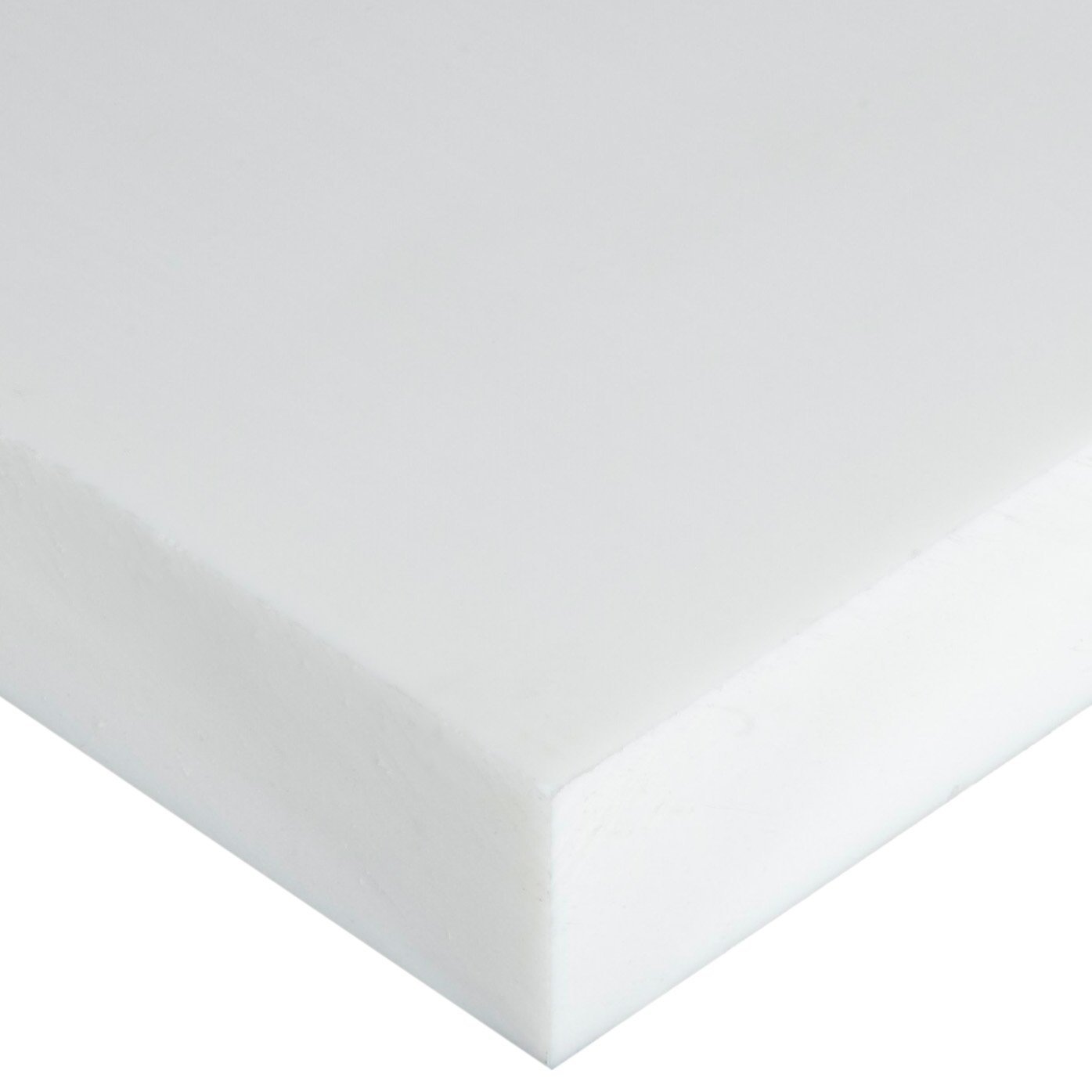
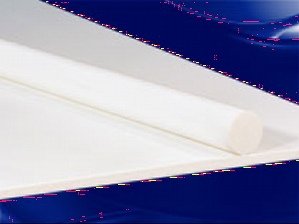
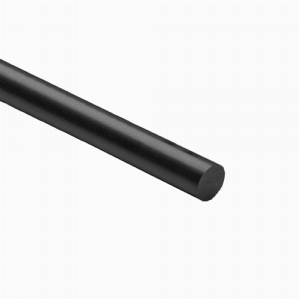
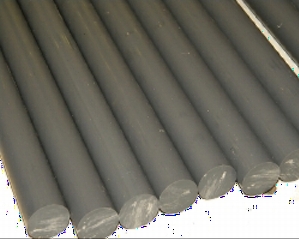
PET is a strong and lightweight plastic that is widely used for packaging foods and beverages, especially convenience-sized soft drinks, juices and water. It is also popular for packaging foods, cooking oils, mouthwash, shampoo, liquid hand soap, window cleaner, even tennis balls. Special grades of PET are used for carry-home food containers and prepared food trays that can be warmed in the oven or microwave. PET is characterized as having high tensile strength, exceptional dimensional stability coupled with excellent wear resistance, a low coefficient of friction, and resistance to moderately acidic solutions.
WARNING: This product can expose you to chemicals including Antimony trioxide, CAS 1309-64-4, which are known to the State of California to cause cancer. For more information go to www.P65Warnings.ca.gov.
Handling: Cut sheets may have sharp edges. We recommend wearing protective gloves when unpacking and handling this material to ensure safety.
Suitability: We take pride in the quality of our materials as they leave our facility. However, because every project is unique, we cannot account for how materials are modified, stored, or used after delivery. Please perform the necessary tests to ensure this material is right for your specific application and end-use conditions.
PETNE SH
The majority of the world's PET production is for synthetic fibers (in excess of 60%), with bottle production accounting for around 30% of global demand.


 WARNING: This product can expose you to chemicals including Antimony trioxide, CAS 1309-64-4, which are known to the State of California to cause cancer. For more information go to