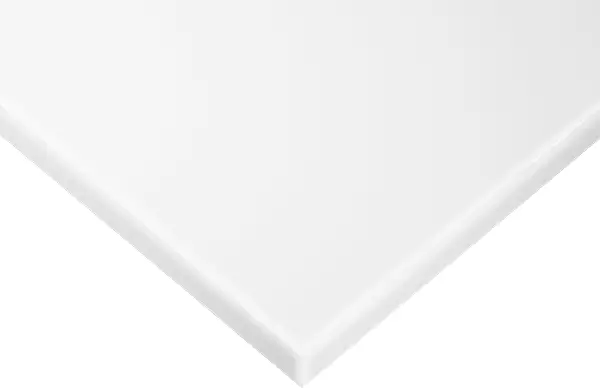
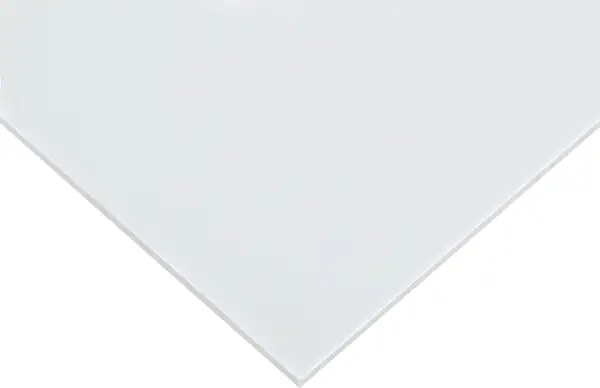
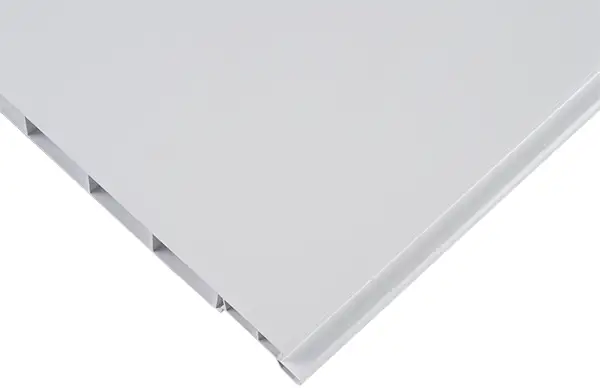
White homopolymer polypropylene sheets have excellent chemical and corrosion resistance.
Buy cut-to-size polypropylene sheet, rod and fluted sign board with excellent machinability and chemical resistance for reliable welding and fabrication.
White homopolymer polypropylene sheets have excellent chemical and corrosion resistance.
Black copolymer polypropylene sheet is a tough, chemical-resistant material for tanks and industrial parts.
Natural copolymer polypropylene sheet is a durable, chemical-resistant material for fabrication and fluid handling.
Natural homopolymer SR polypropylene sheet provides stiffness, tensile strength, and corrosion resistance.
Black homopolymer polypropylene sheets have excellent resistance to chemicals & corrosion.

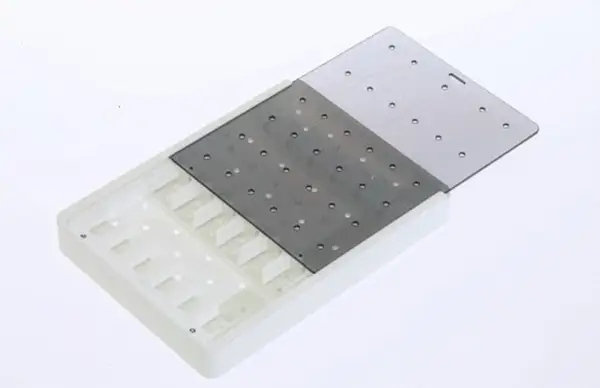
PROPYLUX® HS and HS2 polypropylene materials support orthotic and prosthetic fabrication applications.
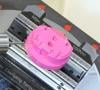
Withstands repeated hot steam sterilization without deforming. Resists detergents and disinfectants.

Orthotic and prosthetic grade polypropylene offers rigidity and impact resistance for formed devices.

Paper-masked O&P polypropylene helps protect the sheet surface during handling and fabrication.

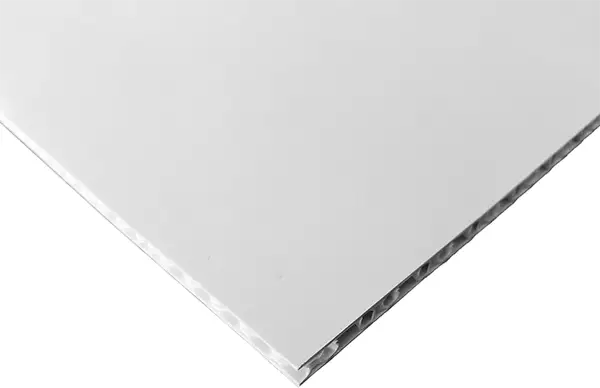
Supersede is a waterproof structural panel made from recycled polypropylene that won't rot or warp like marine-grade plywood.
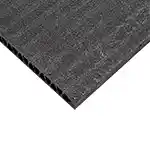
Polypropylene is a thermoplastic polymer used in a wide variety of applications.
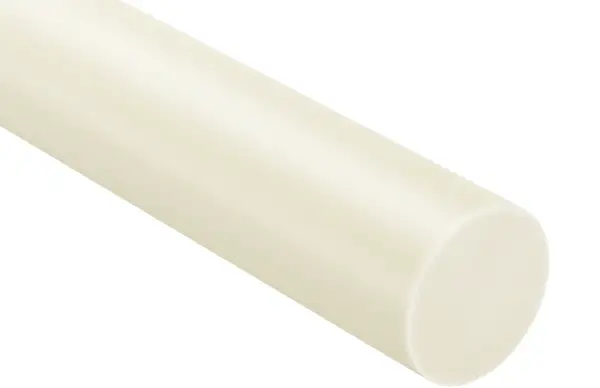
Polypropylene/polypropene (PP) welding rod is sold by the pound, shipped in 4' straight lengths.

Polypropylene/polypropene (PP) welding rod is sold by the pound, shipped in 4' straight lengths.

Polypropylene/polypropene (PP) welding rod is sold by the pound, shipped in 4' straight lengths.

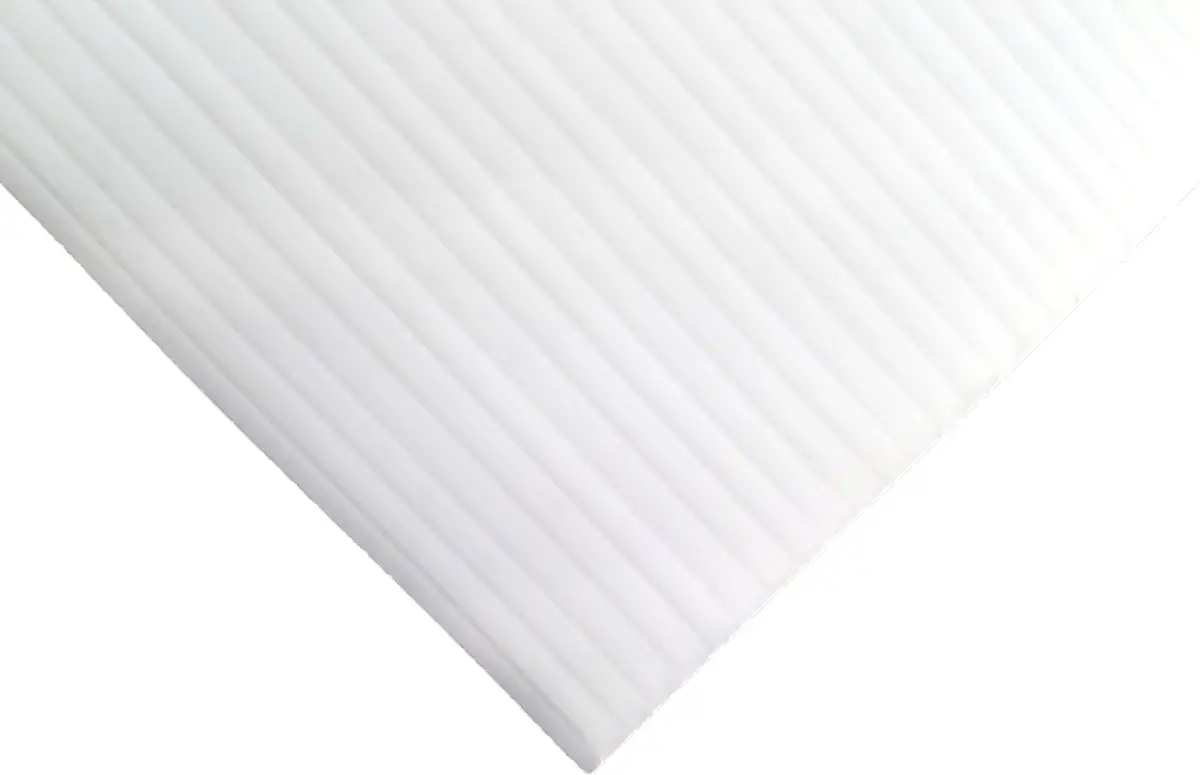
White fluted polypropylene sheet is a lightweight option for signs, displays, and reusable templates.

Gray fluted polypropylene sheet provides a neutral look for displays, packaging, and templates.
Black fluted polypropylene sheet offers a clean, bold finish for signage and display applications.

Green fluted polypropylene sheet is a lightweight choice for color-coded signs and displays.

Brown fluted polypropylene sheet suits temporary signs, craft displays, and reusable templates.
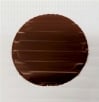
Red fluted polypropylene sheet helps create high-visibility signs, displays, and promotional graphics.

Blue fluted polypropylene sheet works well for color-coded signage, displays, and packaging inserts.

Ivory fluted polypropylene sheet provides a softer neutral option for signs, displays, and templates.
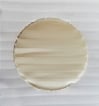
Orange fluted polypropylene sheet is ideal for bright temporary signs, displays, and markers.
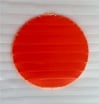
Bubble-X® polypropylene sheet offers a lightweight, recyclable alternative for printing and packaging.
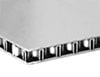
UtiLite easy-to-maintain interlocking panels help facilities create clean, durable wall systems that support sanitation and simplify routine maintenance.

Includes 12" x 12" samples of common thermoforming plastics for material comparison and testing.

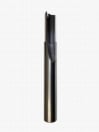
Plastic cutting bits by Onsrud are an industry standard in quality.

Plastic cutting bits by Onsrud are an industry standard in quality.
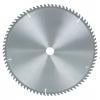
Saw blades that offer premium performance on hard and soft plastics.