Material Solutions for GILLIG Transit Bus Manufacturing
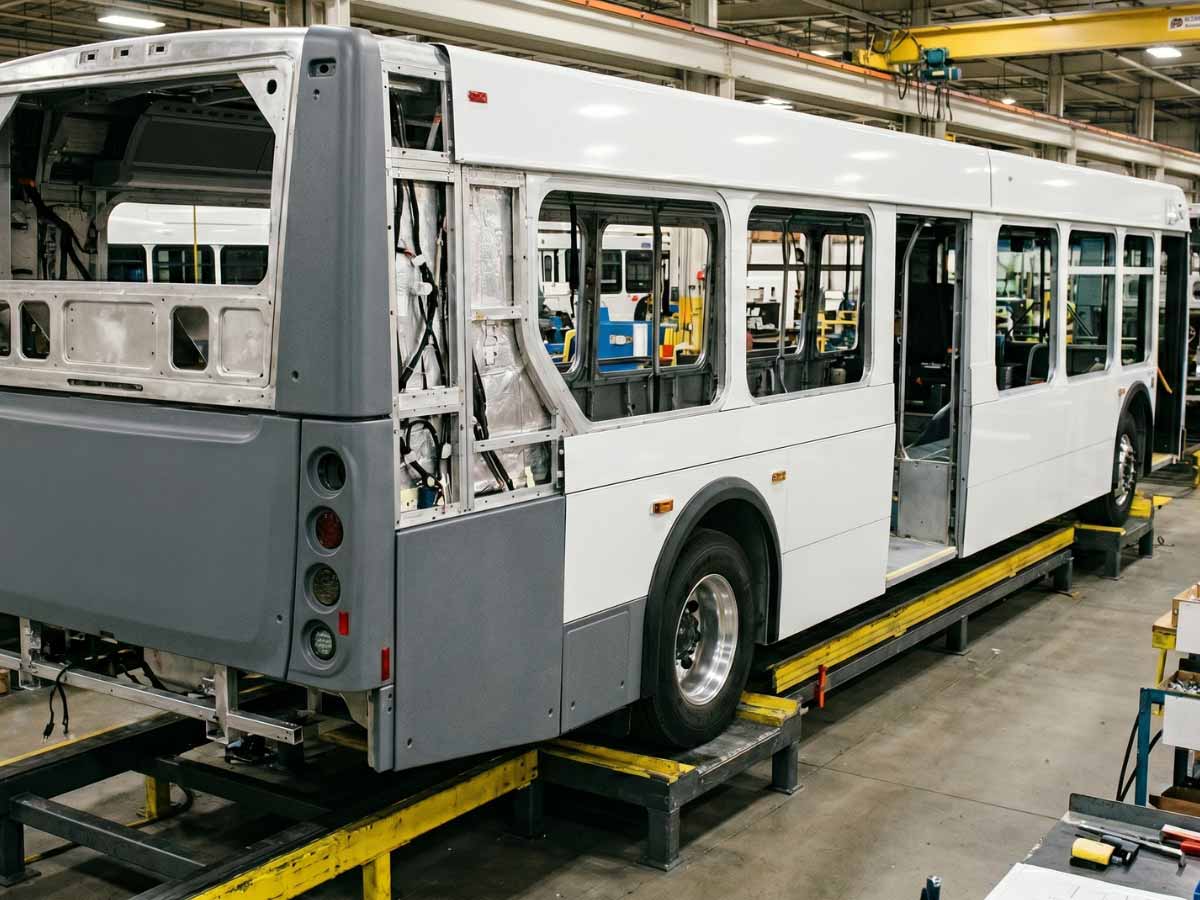 Interstate Plastics offers material solutions for GILLIG’s transit bus manufacturing and maintenance needs. Our selection of wear- and glare-resistant plastics, along with electrically insulating composites, helps engineering, production, and procurement teams address visibility, electrical protection, and component durability needs.
We supply high-performance plastics, composites, and structural adhesives for door guides, interior panels, driver barriers, electrical supports, HVAC components, and other transit bus applications. This range includes grades with UL 94 HB, V-0, and 5V ratings, along with selected transportation materials that meet FMVSS 302 and FTA Docket 90-A fire-performance criteria. We combine technical guidance on operating conditions, component specifications, and fire-performance requirements with custom-fabricated and CNC-machined parts to reduce in-house work, improve assembly consistency, and simplify replacement part sourcing.
ABS for Dash Panels, A/C Covers, and Formed Interior Components
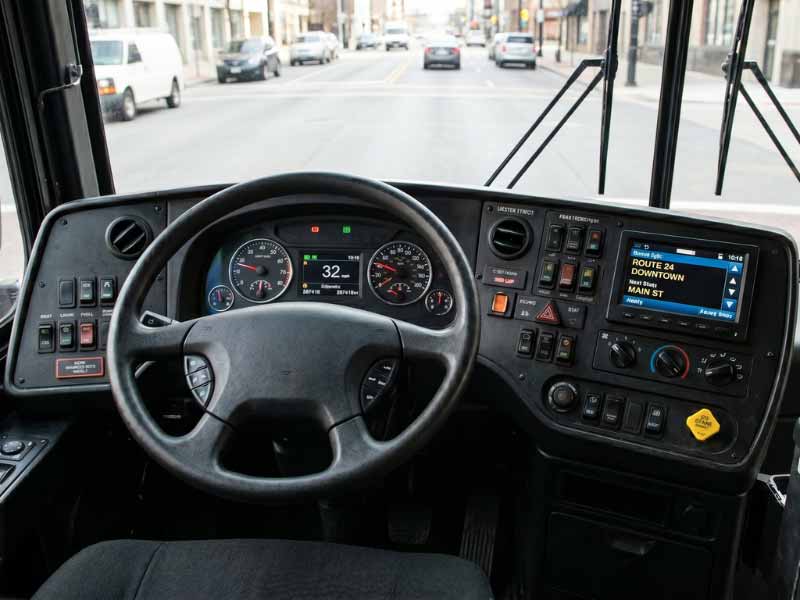 Visible interior components need to balance appearance with the demands of everyday use. ABS (acrylonitrile butadiene styrene) is a machinable thermoplastic known for its impact resistance, rigidity, and ease of thermoforming. Good dimensional stability and abrasion resistance help finished parts retain their shape and withstand surface wear. A choice of colors and surface textures makes ABS well suited for visible interior parts.
Great thermoformability allows ABS to follow complex contours and incorporate curves and transitions into a single component, reducing the need for separate pieces. Common applications include dash panels, instrument surrounds, door-area trim, A/C covers, and service-access covers. Its machinability simplifies adding mounting holes and access openings for assembly, while its toughness can help reduce damage from passenger and service contact. This can limit replacement of cosmetic covers and trim.
Acetal (Delrin®) for Precision Mechanical Components
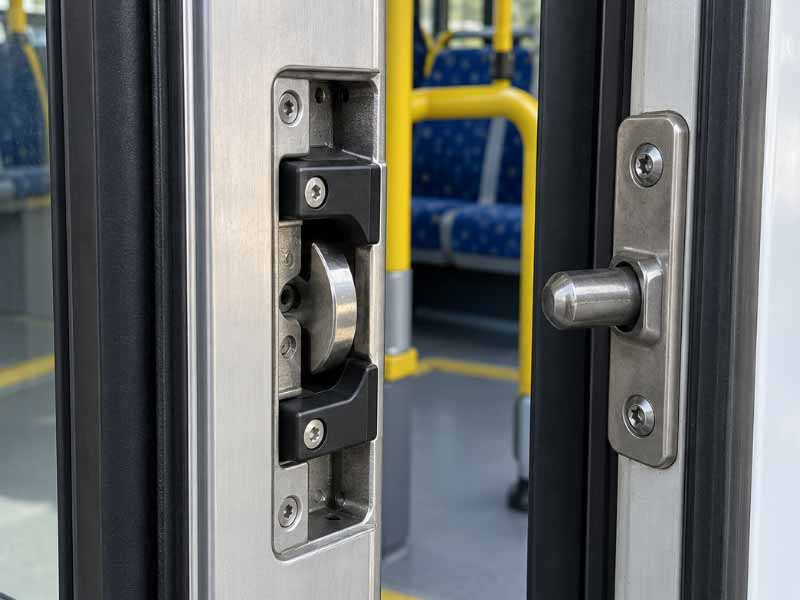 Acetal, also called polyoxymethylene (POM), is an engineering thermoplastic used for precision mechanical parts and is available in homopolymer grades such as Delrin®. Acetal's low friction, wear resistance, dimensional stability, and good machinability make it well suited for moving parts that require close tolerances. Its high strength and stiffness help components resist deformation under load, while low moisture absorption limits dimensional changes in damp environments. Acetal provides a lightweight, rust-free alternative to metal for bushings and small gears.
Acetal is used for passenger door rollers, mechanism bushings, small gears, latches, and seat adjustment components. Its dimensional stability and low friction help these parts move smoothly through repeated cycles, reducing binding and frequent adjustments. Consistent part dimensions also simplify assembly and help replacement components fit with fewer installation adjustments.
ACM Panels for Interior Walls, Signage Backers, and Equipment Cabinets
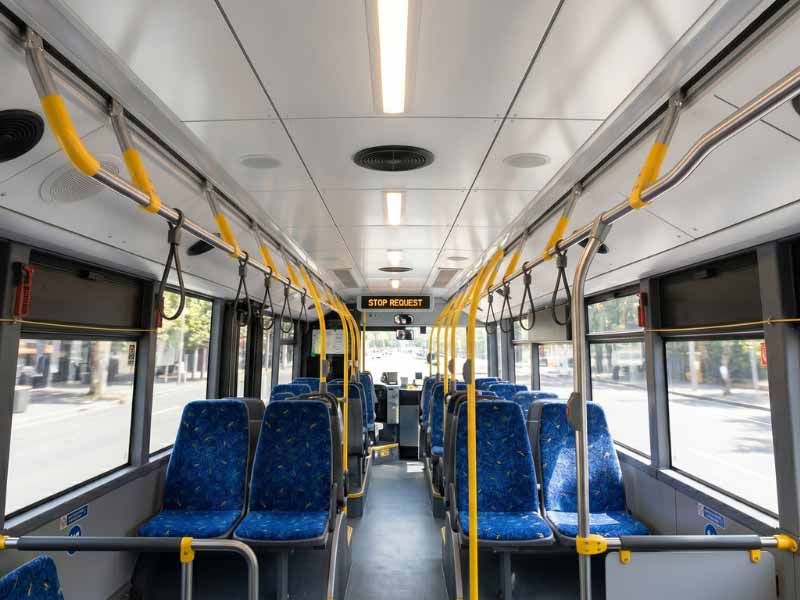 Aluminum composite material (ACM) offers a lightweight panel construction with a finished appearance. A recycled thermoplastic core is bonded between two aluminum sheets, with a finished surface on one or both sides. The result combines flatness and rigidity with surfaces suitable for cutting, routing, and printing. Its moisture-resistant core helps panels withstand damp conditions, while its ability to be bent and routed supports custom shapes and folded edges. For panel applications that would otherwise use solid aluminum, ACM can reduce weight while retaining a smooth, durable facing.
In transit bus manufacturing, ACM can be used for nonstructural interior facing, equipment cabinet doors, and signage backers. These flat, rigid panels support a uniform appearance across passenger-area panels and service-compartment doors. Their low weight makes panels easier to handle during assembly. ACM's finished surfaces can reduce painting and other finishing steps, and panels cut to specified dimensions help minimize fitting work during installation.
Acrylic for Lighting Lenses, Diffusers, and Information Sign Holders
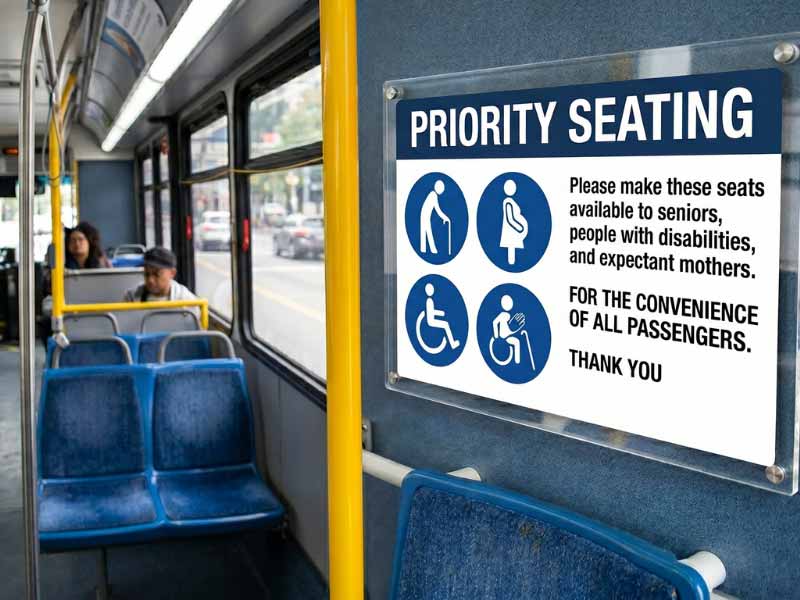 Acrylic, or polymethyl methacrylate (PMMA), is a clear thermoplastic valued for optical clarity, light transmission, and a smooth finished appearance. Available in clear, tinted, and light-diffusing grades, this material can be cut and fabricated into lenses, sign faces, and display covers. Acrylic also weighs less than glass, making it a useful alternative where the design prioritizes visibility and manageable panel weight.
Interior lighting lenses, light diffusers, and information sign holders make use of these properties in different ways. Clear grades keep printed route information easy to read, while light-diffusing grades distribute cabin light more evenly. Lower weight than glass makes parts easier to handle during installation and replacement, and optical clarity allows light to pass through lenses and covers.
For covered passenger information, UV Non-Glare Frame Grade UVF Acrylic combines glare reduction with UV filtering. These properties improve readability and help protect printed notices and route graphics from fading under sunlight and artificial light. Preserving those graphics helps reduce replacement work caused by UV-related fading.
Expanded PVC for Interior Signage, Cabinet Facing, and Infill Panels
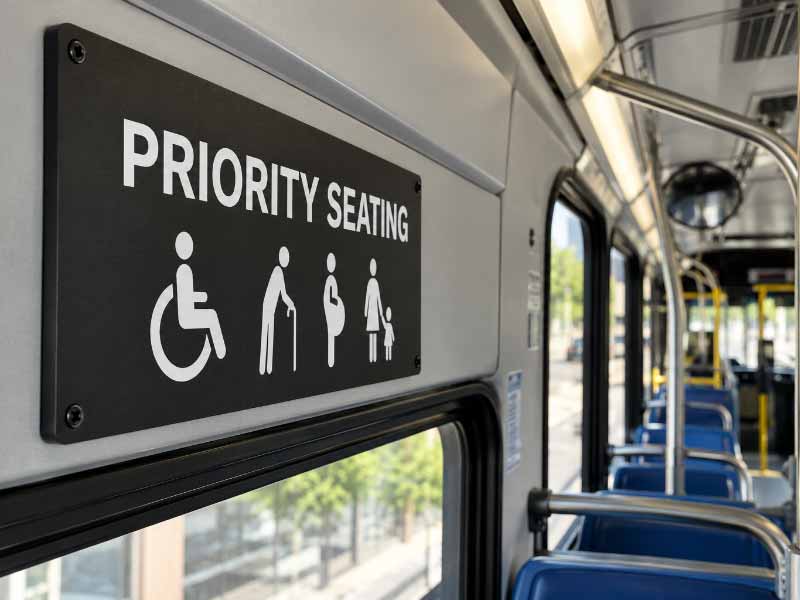 Expanded PVC is a lightweight, rigid foam sheet made from polyvinyl chloride. This material is known for its closed-cell structure, moisture resistance, smooth surfaces, and ease of machining. Chemical resistance and good electrical insulation add to its usefulness, while the smooth matte finish readily accepts paint and laminates.
Expanded PVC is a popular choice for signage, equipment cabinet facing, and nonstructural interior infill panels. It accepts printed graphics and is easily cut into custom shapes using conventional tools for simplified part preparation. Compared with wood-based facing, it resists moisture absorption and avoids the grain and splinters that can complicate fabrication and surface preparation. Its moisture resistance can also reduce deterioration of facing pieces exposed to damp conditions, limiting refinishing and replacement work.
FRP Panels for Interior Wall Liners, Ceiling Panels, and Equipment Compartment Liners
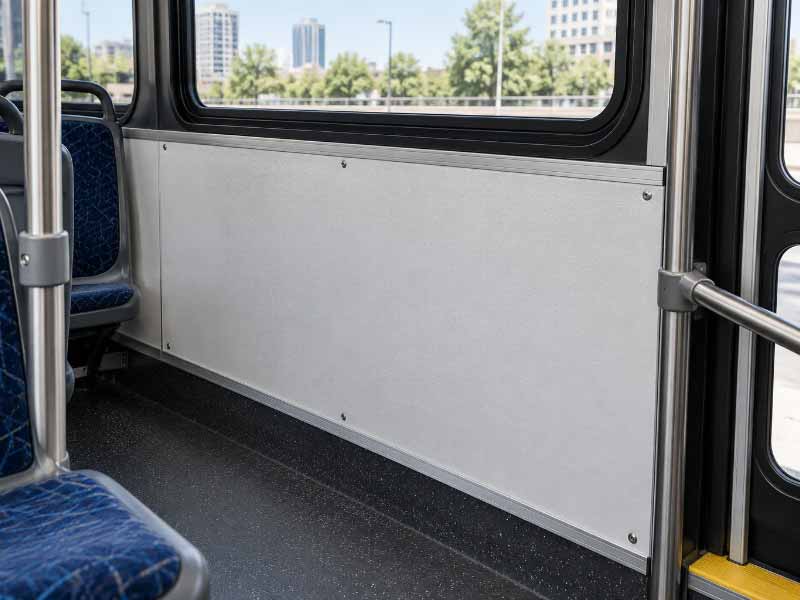 Fiberglass-reinforced plastic (FRP) panels combine a polymer resin with glass-fiber reinforcement to create durable, moisture-resistant surfaces. These panels resist chemical exposure and thermal shock and are available with Class A or Class C fire ratings. Their high impact strength and resistance to scratching and shattering help protect surfaces from damage during routine use. Compared with exposed plywood, FRP panels better tolerate moisture and repeated cleaning while requiring less surface maintenance.
In transit bus manufacturing, FRP panels can serve as interior liners and equipment compartment facing, particularly in areas exposed to frequent cleaning and passenger or maintenance contact. Available in a wide range of colors and sizes with smooth or embossed textures, these panels accommodate different interior designs and installation requirements. Their nonporous surfaces streamline routine cleaning, while moisture resistance helps reduce damage and the need for repairs and refinishing over the vehicle's service life.
HDPE for Wheel Well Liners, Splash Shields, and Service Compartment Liners
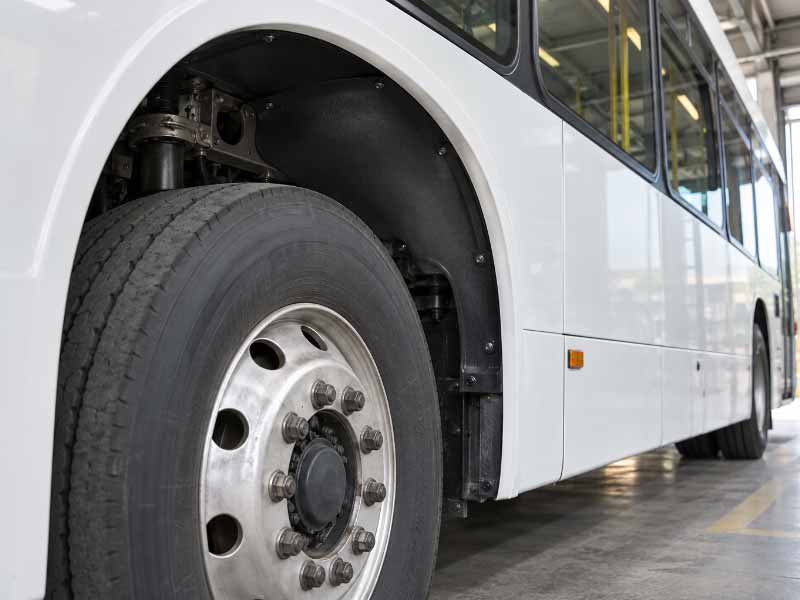 High-density polyethylene (HDPE) is a tough, machinable thermoplastic with low moisture absorption and good resistance to impact and many chemicals. Its low coefficient of friction and abrasion resistance also help limit surface wear from sliding contact. HDPE weighs less than steel, does not rust, and resists the rot and splintering associated with wood. These properties suit liners and shields exposed to water and road debris, helping reduce component weight and moisture-related maintenance.
Popular HDPE applications include wheel well liners, splash shields, service-compartment liners, protective covers, and conventional auxiliary battery compartment liners. These parts form replaceable barriers against debris and incidental fluid contact, helping protect surrounding surfaces and reduce corrosion-related repairs. UV-resistant grades support outdoor exposure, and antimicrobial grades are available for applications requiring additional surface protection.
KYDEX® and Boltaron® for Seat Backs, Wall Panels, and Interior Covers
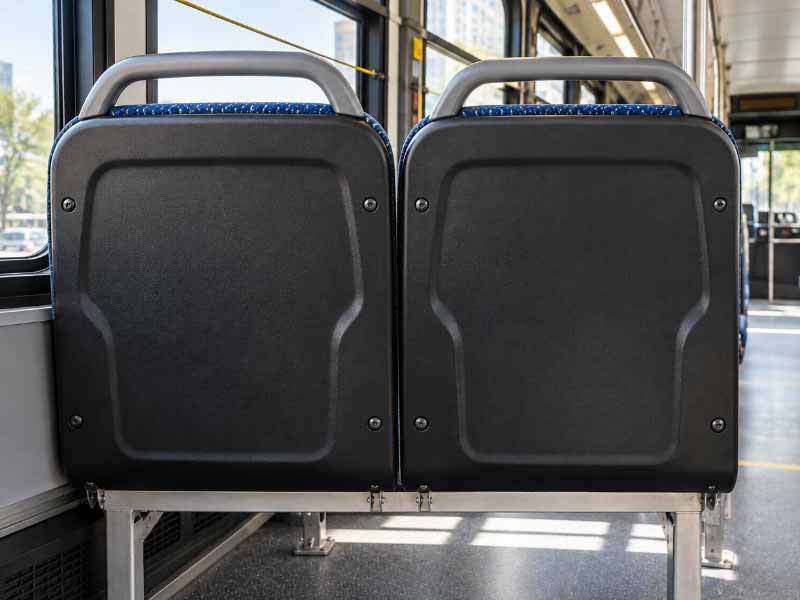 KYDEX® T and Boltaron® 4330 are acrylic-PVC thermoplastic alloys used to create rigid, impact-resistant, chemically resistant surfaces. Both form into detailed contours while maintaining consistent wall thickness, allowing complex interior components to be made with fewer separate pieces. A range of colors and textures allows them to provide an attractive finished surface and reduce the need for painting. Specialized grades within the KYDEX® and Boltaron® product lines meet project requirements for UL 94 V-0, FMVSS 302, and Docket 90-A fire-performance criteria.
KYDEX® and Boltaron® transit applications include seat backs, wall and ceiling panels, window surrounds, partitions, kick panels, and interior equipment covers. Thermoforming accommodates curved seat backs, recessed covers, and contoured window surrounds. Their toughness helps panels withstand routine passenger contact, while resistance to cleaning chemicals supports frequent removal of dirt, grease, and scuffs. These properties help simplify assembly, maintain a consistent cabin appearance, and reduce cleaning effort and damage-related replacements.
Noryl® (PPE) for Electrical Housings, Mounting Brackets, and Fluid-Handling Manifolds
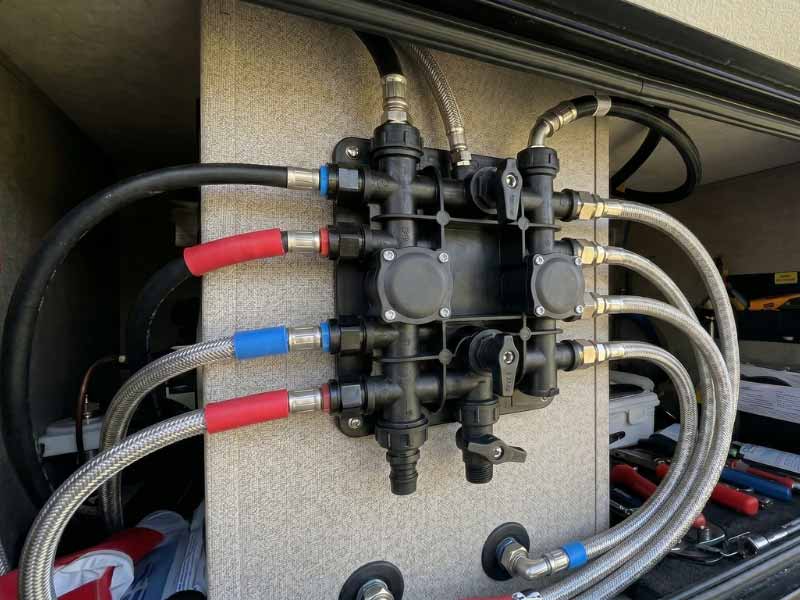 Noryl® is a modified polyphenylene ether (PPE) thermoplastic that combines stiffness, electrical insulation, and low moisture absorption. Its dimensional stability helps housings and supports maintain a consistent fit as humidity changes. High dielectric strength, ease of machining, and lower weight than metal make Noryl® well suited for components that provide both mechanical support and electrical insulation, helping simplify assembly and reduce component weight.
Noryl® is used for control housings, protective covers, insulating supports, and selected fluid-handling components. Machined mounting features help covers align and supports hold components in position, reducing fitting adjustments during assembly and service. Combining mechanical support and electrical insulation in one part reduces the number of components to source and install, streamlining procurement and assembly.
Nylon for Mechanical Bearings, Rollers, and Wear Pads
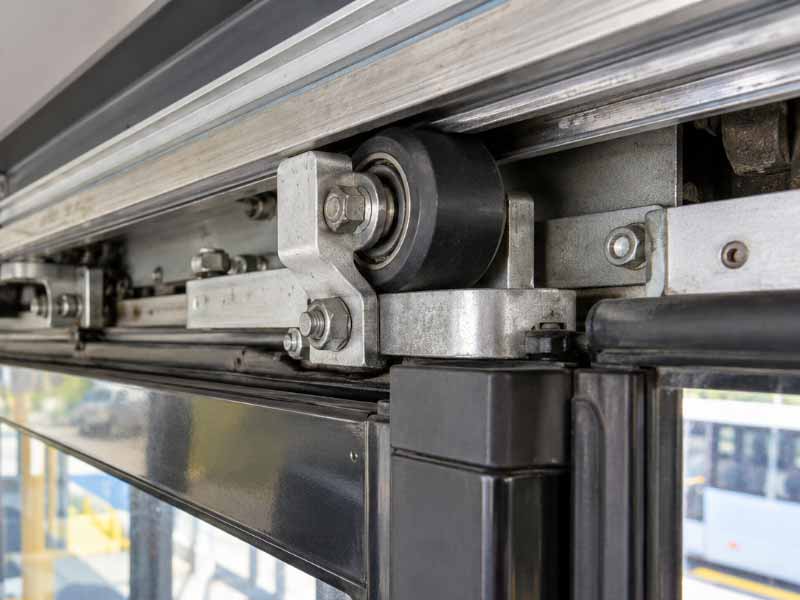 Nylon is a low-friction engineering thermoplastic with mechanical strength, toughness, and abrasion resistance. It is commonly machined into bearings, bushings, gears, rollers, and wear pads. In suitable bearing and bushing applications, nylon can replace metal to reduce component weight, operating noise, and wear on mating surfaces; some grades are self-lubricating and can also reduce lubrication needs.
Nylon is used for door mechanism rollers, guide bushings, and other mechanical wear parts. This material's strength and toughness help rollers and bushings withstand repeated loading, while its abrasion resistance limits wear from sliding contact. Properly selected nylon wear parts can help mechanisms run more quietly and protect adjacent hardware, reducing wear-related maintenance and replacement work.
PEEK for Drivetrain Thrust Washers, Bushings, and Bearing Cages
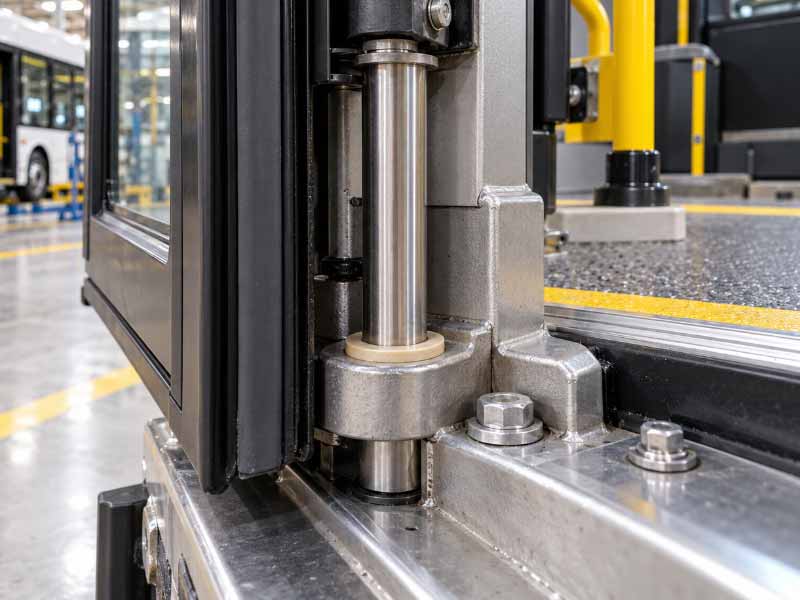 Polyether ether ketone (PEEK) is a high-performance thermoplastic that combines excellent chemical resistance, high wear resistance, and resistance to thermal degradation. Its strength, stiffness, and dimensional stability help components maintain their shape under heat and load, while its low coefficient of friction supports smooth movement. PEEK also weighs less than steel, aluminum, and titanium, offering opportunities to reduce component weight.
Applications include drivetrain thrust washers, bushings, and bearing cages, as well as connector insulators in heat-exposed electrical assemblies. Its wear resistance supports repeated sliding and rotating contact, while its electrical insulation helps separate conductive parts. These properties help extend component life, reduce wear-related maintenance, and limit replacements in difficult-to-service areas.
PETG for Machine Guards, Equipment Covers, and Thermoformed Trays
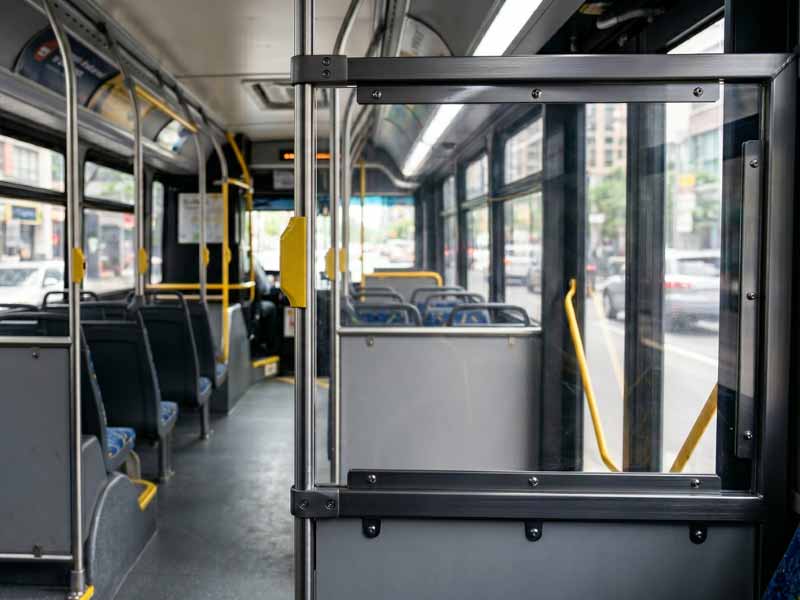 PETG is a glycol-modified polyester thermoplastic that combines clarity, toughness, and ease of thermoforming. It forms readily into detailed shapes and deep contours, making it useful for transparent covers and nonstructural panels. It is less brittle than acrylic and can offer an economical alternative to polycarbonate when the application does not require polycarbonate's higher impact and temperature capabilities.
Machine guards, equipment covers, and thermoformed trays are common PETG applications in manufacturing and service operations. Transparent covers allow personnel to see equipment during inspection, while formed trays organize parts for assembly and handling. PETG's formability supports complex shapes with fewer separate pieces, helping simplify fabrication and organize components throughout production.
Phenolic for Terminal Boards, Electrical Mounting Plates, and Insulating Spacers
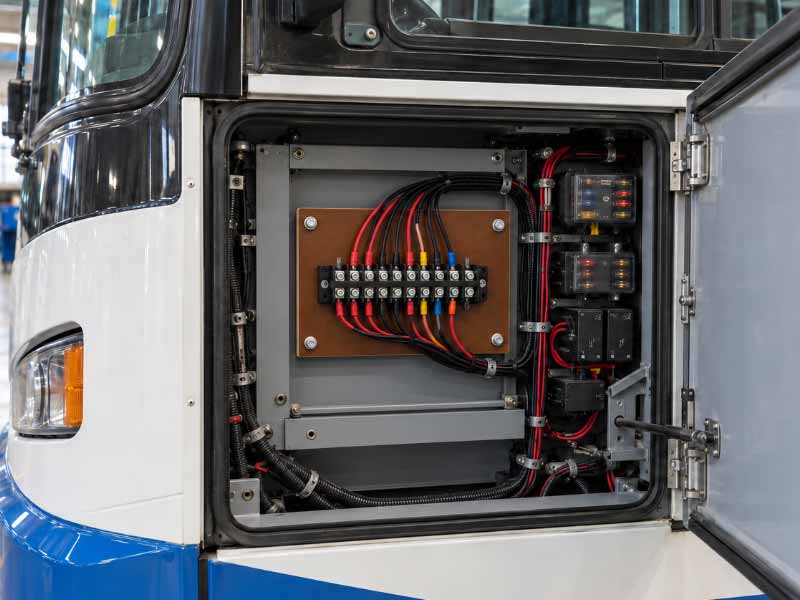 Phenolic laminates are rigid thermoset composites made by bonding layers of paper or fabric with phenolic resin. They combine mechanical strength, electrical insulation, and good machinability, allowing parts to provide both mechanical support and electrical separation. Available grades offer different balances of strength, electrical performance, moisture resistance, and flame resistance.
Common applications include terminal boards, electrical mounting plates, insulating spacers, and equipment compartment insulation panels. Machined holes, slots, and mounting features help secure electrical components in consistent positions and maintain the required spacing between conductive parts. Combining support and insulation in one component helps reduce separate insulating hardware, simplify assembly, and improve consistency across repeat bus builds.
Plexus® Structural Adhesives for Panels, Covers, and Assemblies
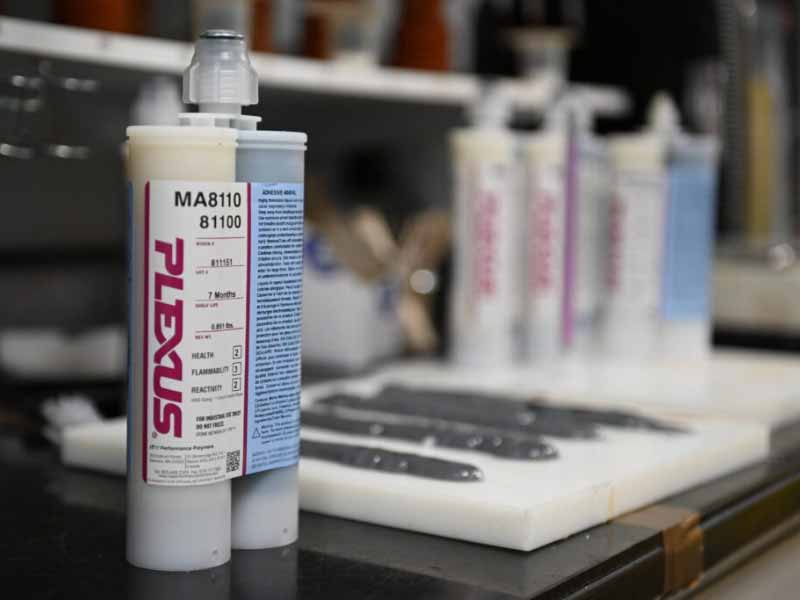 Plexus® structural adhesives are multi-material bonding systems used to join compatible plastics, composites, and metals. They distribute loads across the bonded area and join dissimilar materials in a single assembly. Compared with mechanical fastening alone, adhesive bonding can reduce drilled holes and visible fasteners, creating a smoother finished surface.
Applications include bonding interior panels, exterior covers, and composite-to-metal assemblies. Adhesive selection, working time, and surface preparation must suit the materials and assembly process, with particular attention to compatibility when bonding polyethylene, polypropylene, or TPO. By reducing drilling, fastening, and cosmetic finishing work, Plexus® adhesives help simplify panel assembly and achieve more consistent finished surfaces.
Polycarbonate for Driver Barriers, Protective Shields, and Inspection Covers
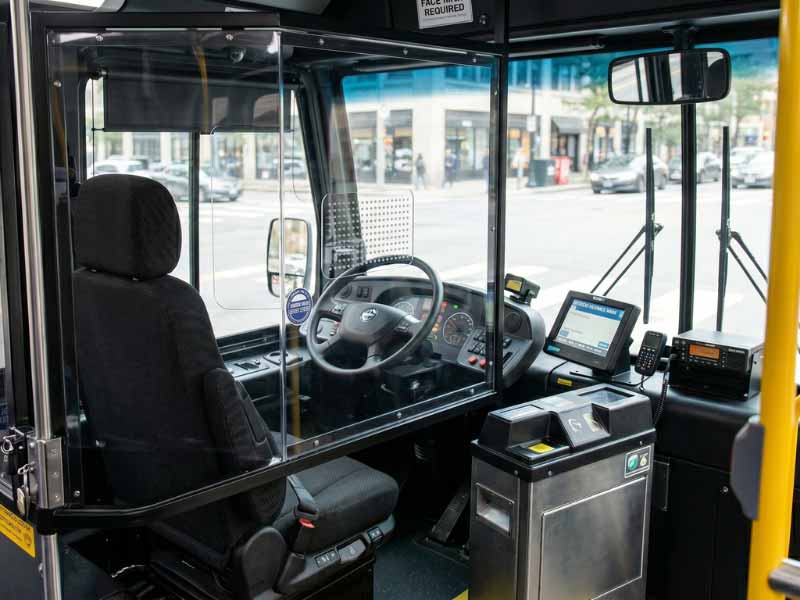 Polycarbonate is a transparent engineering thermoplastic that combines high impact resistance with good optical clarity. It weighs less than glass and resists shattering, making protective panels easier to handle during installation and replacement. Polycarbonate can also be thermoformed and machined into contoured shapes with custom openings and mounting features.
Applications include driver barrier panels, inspection covers, and protective shields. Its toughness helps panels withstand incidental impacts, while its transparency allows drivers and service personnel to see through barriers and inspect enclosed equipment. These properties reduce breakage-related replacements, simplify inspections, and enhance visibility around protected areas.
Specialty polycarbonate grades offer additional protection against surface wear, UV exposure, and impact. Clear AR2 Polycarbonate combines abrasion resistance with enhanced UV resistance to help preserve the clarity and surface quality of transparent protective panels. Interstate Plastics also supplies bullet-resistant and containment-grade polycarbonate for more demanding protective applications.
Polypropylene for HVAC Ducts, Auxiliary Battery Trays, and Equipment Covers
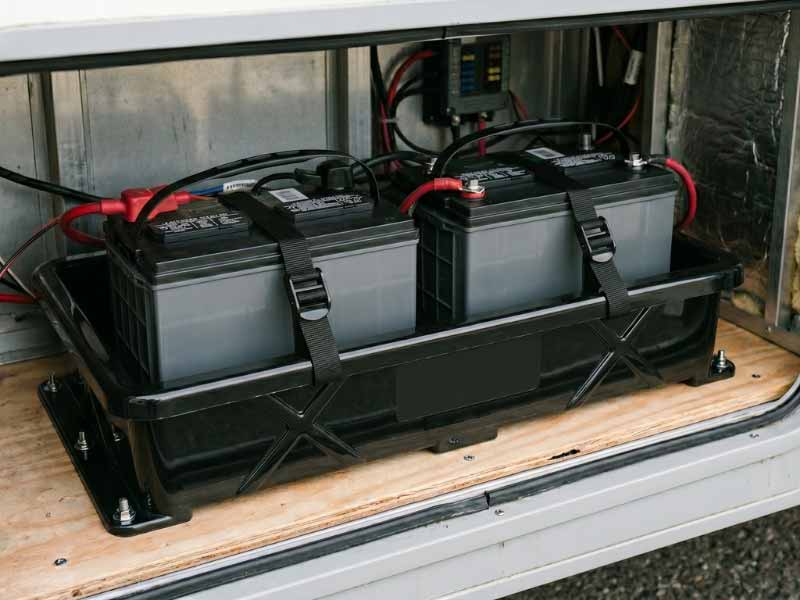 Polypropylene (PP) is a lightweight polyolefin thermoplastic with low moisture absorption and excellent chemical resistance. It also offers high fatigue resistance, helping thin sections withstand repeated flexing. It can be formed, machined, and welded into custom ducts, trays, and covers. Compared to metal, polypropylene reduces component weight and eliminates rust in parts exposed to condensation or incidental fluid contact.
Applications include HVAC duct sections, equipment trays, protective covers, and conventional auxiliary battery trays. Its moisture resistance supports use around HVAC condensation, while its chemical resistance helps trays withstand contact with battery electrolyte and other compatible fluids. Custom-fabricated shapes and mounting features help streamline installation, while lightweight, corrosion-resistant components ease handling during replacement and reduce corrosion-related maintenance.
PTFE for A/C Compressor Seals, Transmission Seals, and Valve Seats
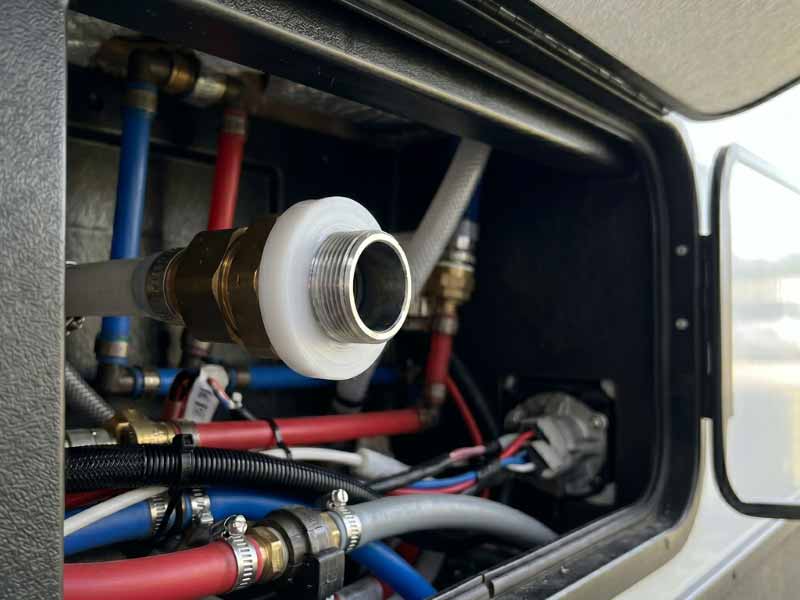 Polytetrafluoroethylene (PTFE) is a fluoropolymer that combines very low friction, broad chemical resistance, and performance across a wide temperature range. It also offers very low moisture absorption, helping limit dimensional changes in wet or humid conditions. These properties make it useful for sealing and sliding components exposed to heat, lubricants, and other fluids. Filled grades offer improved wear and creep resistance compared with virgin PTFE, helping components resist wear and deformation under sustained loads.
Applications include A/C compressor seals, transmission seals, valve seats, gaskets, and slide washers. PTFE's low-friction surface reduces resistance between moving parts, while its chemical resistance helps seals withstand contact with service fluids. These properties support smooth component operation, help reduce sticking and leakage, and limit maintenance associated with worn or deteriorated seals.
PVC Type 1 for Wiring Covers, Cable Dividers, and Electrical Compartment Panels
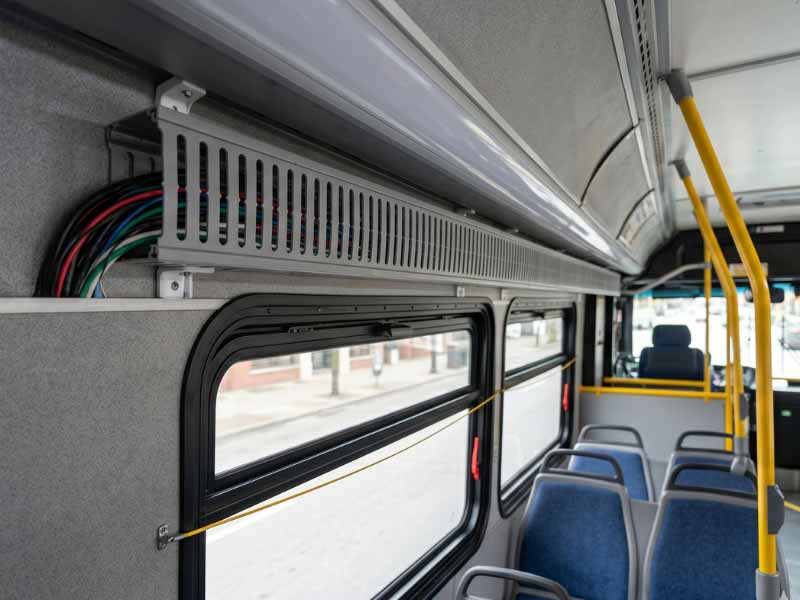 PVC Type 1 is a rigid thermoplastic that combines mechanical strength, electrical insulation, chemical resistance, and low moisture absorption. It resists many acids, alkalis, and salts, while its high dielectric strength supports electrical isolation. PVC Type 1 also offers self-extinguishing characteristics and a UL 94 V-0 flammability rating. The material can be readily machined, thermoformed, and welded into custom parts with openings, bends, and mounting features.
Applications include cable dividers, wire-routing covers, and protective panels in electrical compartments. Its stiffness helps dividers maintain separation between wiring runs, while low moisture absorption supports consistent dimensions in humid conditions. Its chemical and corrosion resistance help protective panels withstand incidental fluid exposure and reduce deterioration. Custom-cut openings and removable PVC covers give technicians access to connections, helping shorten installation times, organize wiring, and streamline inspection and replacement.
Supersede Marine Board for Floor Panels, Subfloors, and Cabinet Backing
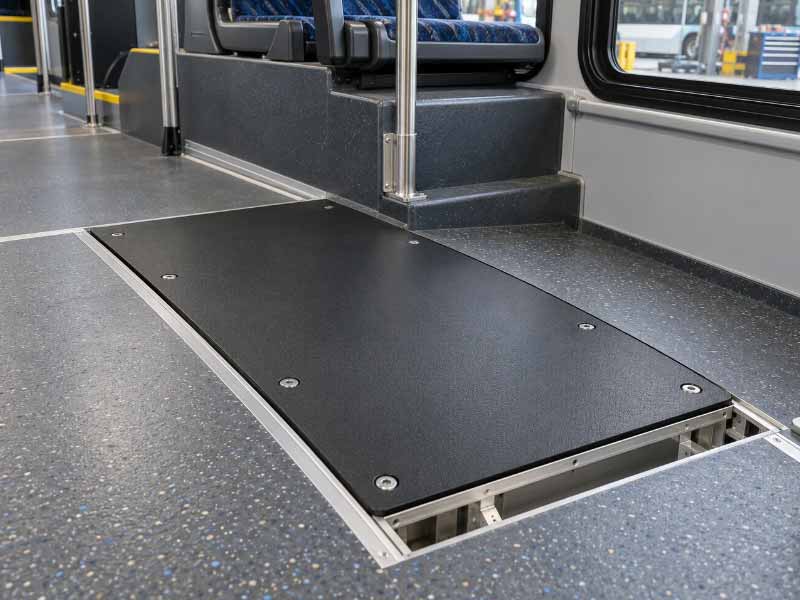 Supersede Marine Board is a structural panel made from recycled polypropylene and developed as an alternative to marine-grade plywood. The board is waterproof, rot-proof, mold-resistant, and splinter-proof, with fastener retention suited to mechanically attached panels. Compared with plywood, it resists moisture-related decay while remaining compatible with conventional woodworking tools for cutting and installation.
Supersede Marine Board is ideal for floor panels, subfloors, and cabinet backing where resistance to moisture-related deterioration is a priority. For transit bus flooring, panel thickness, support spacing, fasteners, floor-covering adhesion, and fire performance must meet the complete assembly specification. Its resistance to decay helps reduce deterioration associated with plywood, while compatibility with conventional woodworking tools supports familiar cutting and installation methods.
TPE for Door Seals, Edge Protectors, and Flexible Interior Trim
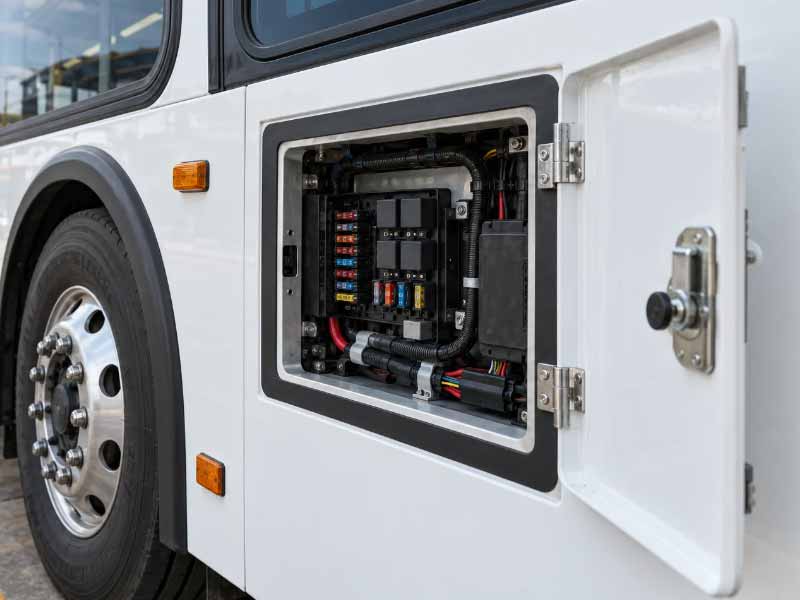 Thermoplastic elastomers (TPEs) combine rubber-like flexibility and elastic recovery with the ability to be molded or extruded using thermoplastic processing methods. They cushion contact between parts, absorb vibration, and recover their shape after flexing or compression. TPEs come in a range of hardness levels, providing soft cushioning for contact surfaces and firmer support for seals and edge protectors.
Applications include passenger door and access-panel seals, edge protectors, flexible trim, and cushioning strips between adjacent parts. TPE's flexibility helps seals conform to mating surfaces and limit water entry, while cushioning strips reduce rubbing and rattling between components. These properties help create quieter interiors, protect adjacent finishes, and reduce maintenance caused by vibration and repeated contact.
TPO for Bumper Covers, Exterior Body Panels, and Equipment Covers
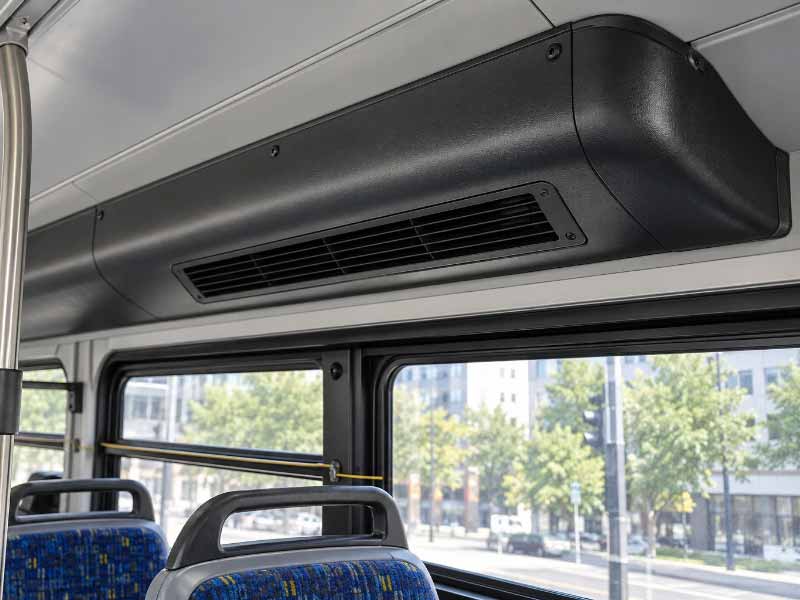 Thermoplastic polyolefin (TPO) is a lightweight thermoplastic blend that combines impact resistance, flexibility, and weather resistance. It can be thermoformed into contoured vehicle panels, with exterior formulations providing UV resistance and toughness in cold conditions. TPO offers a lightweight alternative to metal for nonstructural panels, while options with color throughout the sheet reduce painting requirements.
Applications include fascias, cladding, skirts, equipment covers, and bumper covers. TPO's flexibility and impact resistance help these parts tolerate road debris and incidental contact, while its weather resistance supports prolonged outdoor exposure. Lightweight panels make installation and replacement easier, and integrated color helps reduce finishing work and maintain a consistent exterior appearance.
UHMW for Door Track Liners, Wear Strips, and Slide Pads
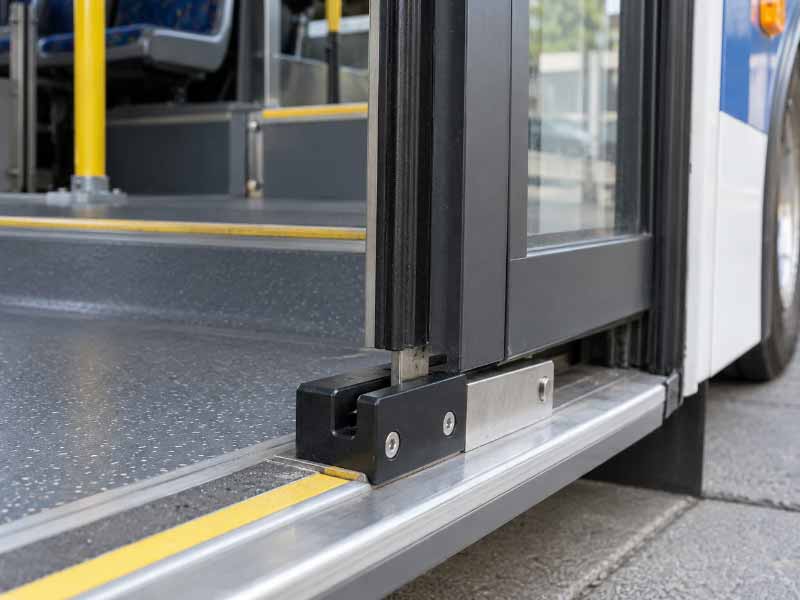 Ultra-high molecular weight polyethylene (UHMW) combines excellent abrasion resistance, high impact strength, and a low coefficient of friction. Its self-lubricating surface reduces sliding resistance, frictional heat, and noise, while very low moisture absorption limits swelling in wet conditions. UHMW also resists many chemicals and retains impact toughness at low temperatures, supporting wear components exposed to moisture and cold.
UHMW is frequently used for passenger door guides, track liners, rub strips, and slide pads. Its low friction supports smooth door movement through repeated operating cycles, while abrasion resistance helps extend guide and liner life. UHMW wear surfaces protect adjacent metal components from direct rubbing contact, helping reduce operating noise, limit lubrication needs, and concentrate replacement work on smaller wear parts.
Ultem® (PEI) for Electrical Connectors, Insulation Parts, and Sockets
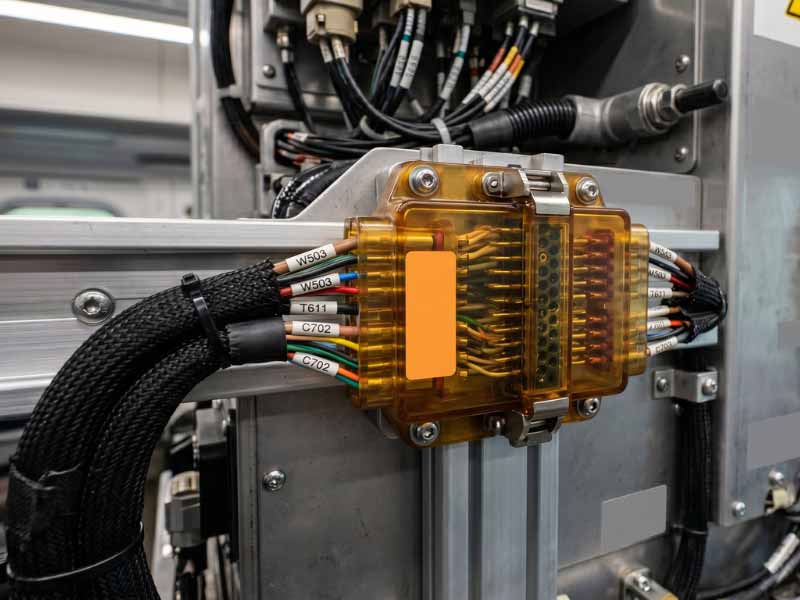 Ultem® (PEI) is an engineering thermoplastic that combines heat resistance, stiffness, dimensional stability, and electrical insulation. Its inherent flame resistance makes it well suited for demanding electrical applications. Compared with general-purpose plastics, PEI better maintains stiffness and fit at elevated temperatures, helping electrical components stay securely positioned and maintain insulating clearances under heat.
Applications include electrical connector insulators, sockets, terminal supports, and heat-resistant mounting components. PEI's electrical insulation helps separate conductive parts, while its mechanical strength supports connectors and terminals through repeated use. Its resistance to heat-related deformation helps maintain consistent component fit, reduce assembly rework, and extend the service life of electrical parts.
Custom Components and Fabricated Parts for GILLIG
Custom-cut panels and fabricated plastic components help GILLIG standardize part dimensions and reduce variability across production lines. Components such as driver barriers, transit interior panels, wheel well liners, splash shields, cabinet components, wear strips, and electrical insulation panels can be produced from high-performance plastics and composites using drawings, CAD files, templates, or existing parts as references. Cut-to-size programs and CNC machining help reduce material waste and support consistent fit across transit bus builds.
By sourcing components manufactured to specified dimensions, tolerances, and mounting requirements, GILLIG can reduce in-house cutting, drilling, and fitting work. This helps minimize installation adjustments, improve assembly repeatability, and streamline replacement part sourcing, supporting consistent production and efficient service.
Next Steps for GILLIG Engineering and Procurement Teams
Interstate Plastics helps transit bus manufacturers like GILLIG select materials for interiors, exterior panels, glazing, barriers, compartments, electrical systems, HVAC housings, and wear components. Share drawings, CAD files, cut lists, dimensions, templates, or recurring challenges such as premature wear, panel damage, corrosion, excess weight, assembly difficulties, or inconsistent replacement parts. We recommend material and fabrication solutions that improve assembly consistency, reduce maintenance and downtime, and support long-term fleet reliability in demanding mass transportation projects. Contact Roger Milligan at (855) 801-6333 or email roger.m@interstateplastics.com for expert guidance on materials and fabrication solutions for your transit bus applications.