Aerospace Manufacturing Materials: Plastics and Composites
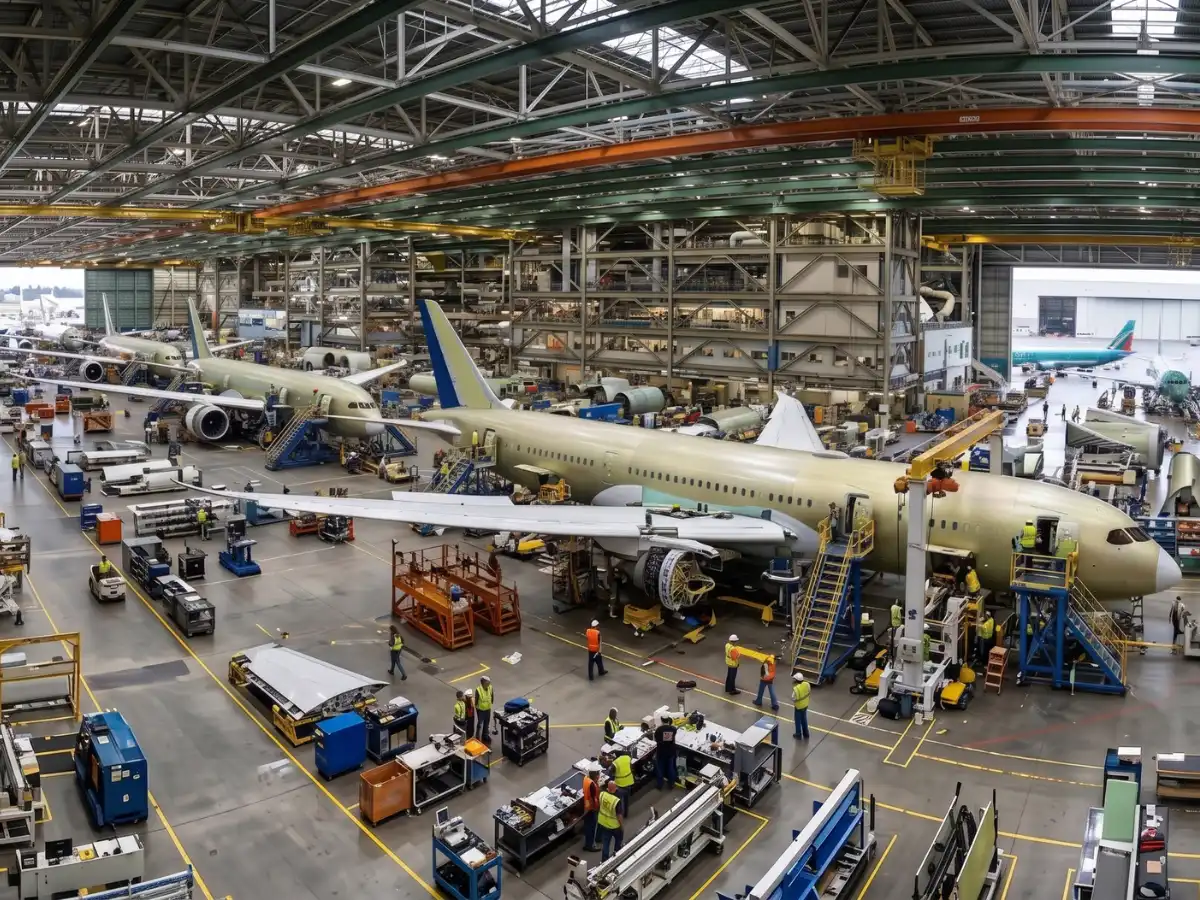 Interstate Plastics supplies high-performance, aerospace-grade plastics engineered for extreme temperature resistance, high strength-to-weight ratios, and long-term durability in flight-critical environments. We support commercial aviation, defense programs, and Tier 1 suppliers with materials that maintain dimensional stability and FST (Fire, Smoke, Toxicity) compliance under demanding operating conditions.
Beyond standard sheets and rods, we specialize in cut-to-size shapes, CNC-machined components, and fabrication-ready assemblies. From PEEK engine components to polycarbonate security shields and phenolic honeycomb panels, our solutions help reduce aircraft weight, improve fuel efficiency, and maintain compliance across critical systems.
- PEEK: High-strength plastics for extreme temperatures, ideal for aerospace fasteners and engine parts
- PPS: High-performance, low-outgassing polymers for fuel-resistant bushings and structural satellite parts
- PTFE: Chemically inert, heat-resistant materials for hydraulic seals and flight control liners
- Ultem®: Flame-retardant, lightweight metal alternatives for aircraft interiors and electrical components
Key Materials for Aerospace Manufacturing
Interstate Plastics supplies materials for aerospace manufacturing, maintenance, repair, and overhaul (MRO), including:
- ABS:
- Overhead bin latches, seat back shrouds, armrests, decorative interior trim
- Acetal:
- Precision gears, fuel sender units, seat-belt mechanisms, wear strips
- Acrylic (biaxially stretched):
- Passenger windows, wing-tip lenses, jet canopies, interior partitions
- Nylon:
- Bushings, lightweight fasteners (bolts/nuts), cable ties, hydraulic spacers
- PEEK:
- Engine components, wire protection tubing, high-temp seals, pump gears
- Phenolic:
- Honeycomb floor panels, cabin wall cores, heat shields, ducting insulation
- Polycarbonate:
- Cockpit windshields, light covers, instrument panels, security door shields
- PPS:
- Fuel system valves, heater housings, cooling system components, structural brackets
- PTFE:
- Fuel hose liners, high-voltage wire insulation, valve seals, door gaskets
- Torlon®:
- High-strength fasteners, actuator sector gears, thermal isolators, splined couplings
- UHMW:
- Cargo rollers, guide rails, luggage bay wear plates, conveyor components
- Ultem®:
- Oxygen manifolds, ventilation ducts, electrical connectors, galley equipment
ABS for Aircraft Interior Components and Decorative Trims
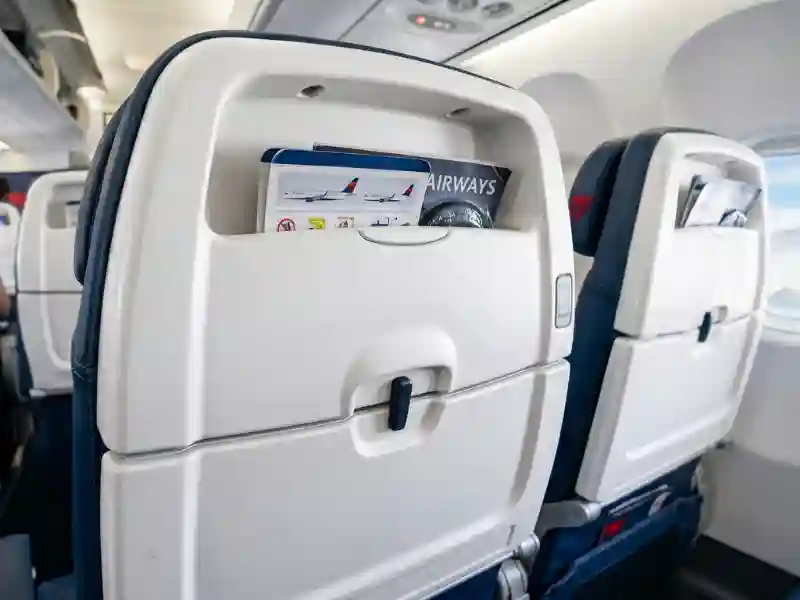 ABS is a versatile and impact-resistant thermoplastic widely used for non-structural interior applications in aerospace manufacturing. Its ease of fabrication and reliable structural performance make it an excellent choice for components that require durability without the weight of traditional materials. ABS allows manufacturers to achieve a professional finish and high-quality tactile feel while maintaining a lightweight profile for secondary interior assemblies.
In aerospace facilities, ABS is commonly used for overhead bin latches, seat back shrouds, armrests, and decorative interior trim. These applications leverage the material’s durability to endure high-traffic cabin environments without sacrificing design complexity. This combination of cost-efficiency and high impact-resistance helps operators minimize Interior Refresh (IR) cycles while ensuring cabin environments meet both aesthetic and safety mandates.
Acetal for Precision Mechanical Components and Wear Strips
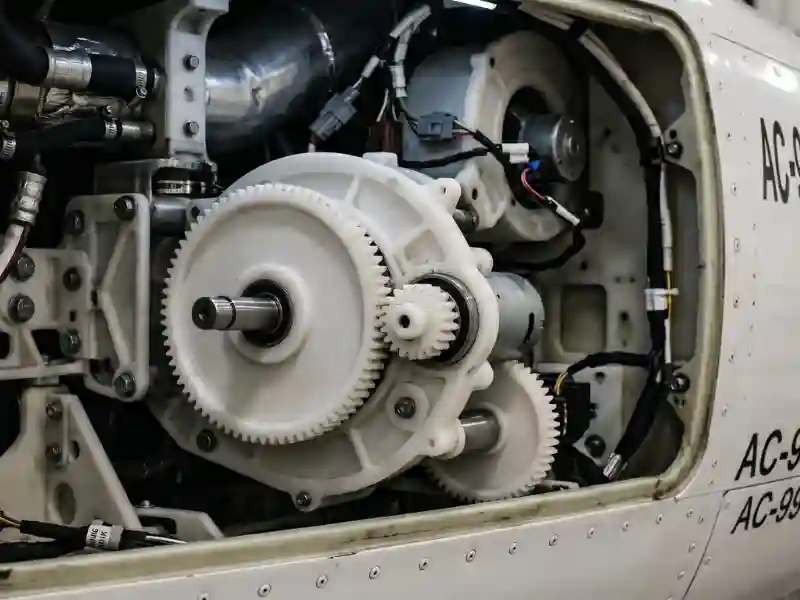 Acetal is a high-strength engineering plastic offering the dimensional stability and low friction required for precision aerospace equipment. It maintains its profile under continuous mechanical stress; when paired with superior hydrolysis resistance, this ensures critical components won’t swell or seize during thermal cycling. Its low outgassing makes it a reliable choice for sensitive instrumentation and closed-cabin environments.
Acetal is utilized for precision gears, fuel sender units, seat-belt mechanisms, and wear strips. While its natural flammability profile typically limits its use in visible cabin interior surfaces, it is an industry favorite for "hidden" mechanical assemblies and MRO (Maintenance, Repair, and Overhaul) applications. Acetal helps improve component precision and reduce mechanical wear, ensuring long-term reliability and smoother operation across various aircraft mechanical systems.
Acrylic for Flight Canopies, Passenger Windows, and Optical Clarity
 Acrylic is used for aerospace environments where optical clarity and UV stability are critical. Offering superior transparency and weather resistance, it is 17 times stronger than glass and features 92% light transmission, making it ideal for applications where high visibility is required for pilots and passengers.
To handle high-altitude flight, acrylic is biaxially stretched to align its polymer chains. This process often meets MIL-PRF-25690 specifications to prevent "crazing," which refers to micro-cracks caused by pressure and temperature cycling. While standard cast acrylic is too brittle for pressurized exteriors, stretched acrylic provides the necessary impact strength and durability for extreme flight conditions.
By providing a lightweight alternative to glass that can withstand intense pressure differentials, acrylic is utilized for passenger windows, wing-tip lenses, fighter jet canopies, and interior partitions. These applications allow aerospace manufacturers to ensure unobstructed visibility and consistent quality control across commercial and military aircraft.
Nylon for Lightweight Fasteners and Hydraulic Spacers
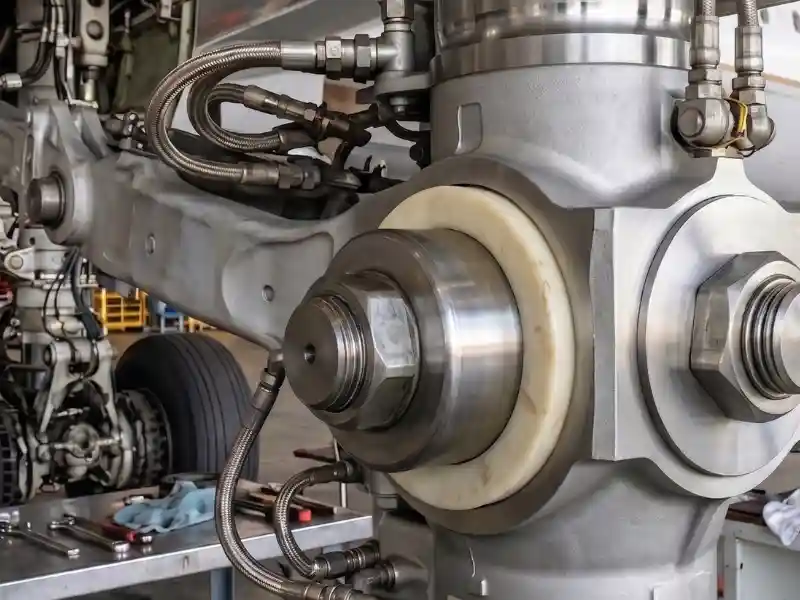 Nylon is a high-strength, lightweight alternative for aerospace applications under significant mechanical stress. Known for its toughness and abrasion resistance, it is ideal for load-bearing components that must endure rigorous use without the risk of corrosion. Additionally, its vibration-dampening properties protect sensitive lines from the constant stressors of flight.
In aerospace facilities, nylon is commonly used for bushings, lightweight fasteners (bolts and nuts), cable ties, and hydraulic spacers. Because it excels under mechanical strain while remaining significantly lighter than metal alternatives, it is a staple for securing electrical and hydraulic lines. With nylon, aerospace processors can reduce airframe weight and support long-lasting machinery performance in various environmental conditions.
PEEK for Engine Components and High-Temperature Environments
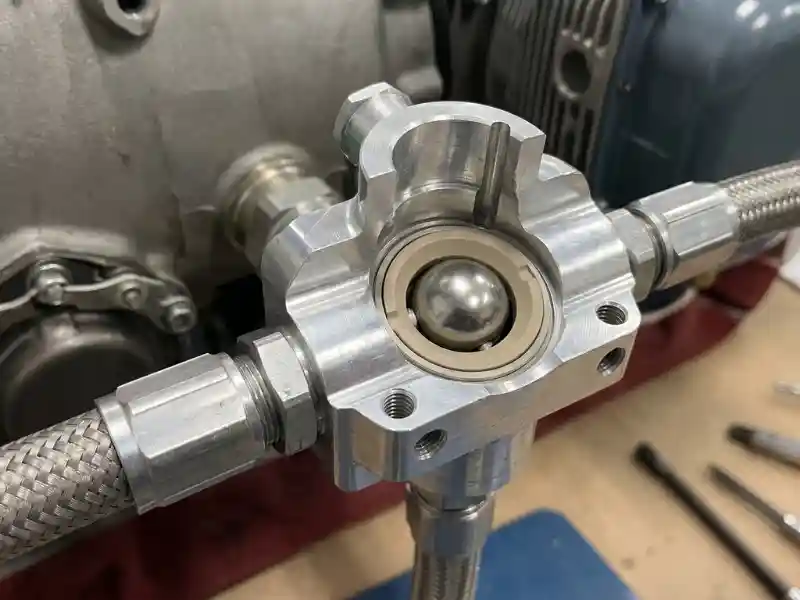 PEEK is a high-performance plastic engineered for the most demanding aerospace environments where extreme heat and chemical exposure are constant. It has a maximum continuous working temperature of 480°F and offers excellent retention of mechanical properties up to 570°F in steam or high-pressure water environments. PEEK's exceptional thermal stability allows it to maintain structural integrity at temperatures that cause other plastics to fail.
Common applications include engine components, wire protection tubing, high-temp seals, electrical connectors, and pump gears. In these high-stakes zones, the material's mechanical strength and resistance to harsh aviation fluids are critical for mission success and safety. By replacing metal components in high-temperature zones with PEEK, engineers can achieve mass-reduction targets, directly enhancing fuel burn efficiency and payload capacity.
Phenolic for Honeycomb Panels and Cabin Fire Safety
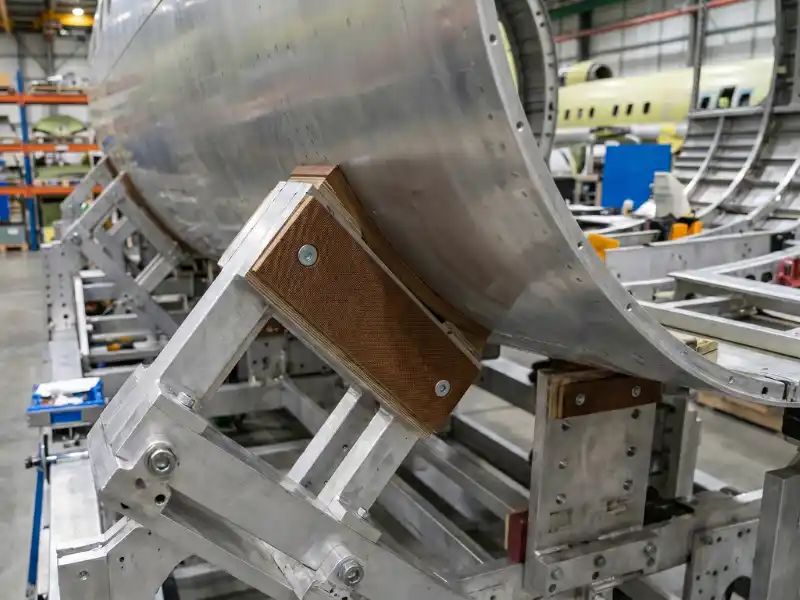 Phenolic is essential for aerospace structural applications requiring the highest fire, smoke, and toxicity (FST) compliance. Available in various specialized grades, it offers a rigid, flame-resistant foundation for cabin core structures that must not support combustion. Furthermore, its compatibility with reinforcement fibers enables the creation of exceptionally stiff, lightweight composite structures tailored to specific mission requirements.
Typical applications include honeycomb floor panels, cabin wall cores, heat shields, and ducting insulation. These specific uses require materials that provide stable, long-term support without contributing to fire spread or emitting toxic gases in the event of an emergency. By utilizing phenolic materials, manufacturers maintain consistent safety standards and reduce the weight of interior structural components.
Polycarbonate for Cockpit Windshields and Impact-Resistant Shielding
 Polycarbonate is trusted for aerospace environments where visibility and flight crew protection are critical. It offers exceptional impact and shatter resistance, providing up to 250 times the strength of glass and 40 times the strength of acrylic. Polycarbonate is available in UV-resistant grades to ensure long-term durability and clarity even when subjected to the intense solar radiation of high-altitude flight.
The material is used for instrument panels, protective barriers, security door shields, light covers, and other impact-resistant interior or secondary glazing components. Engineered for high-velocity impact protection, polycarbonate is a preferred material for secondary glazing and security barriers required to withstand bird strike scenarios and maintain clarity after repeated cleaning. Polycarbonate supports safer flight deck environments while ensuring instrumentation remains visible and protected.
PPS for Fuel System Valves and Cooling Components
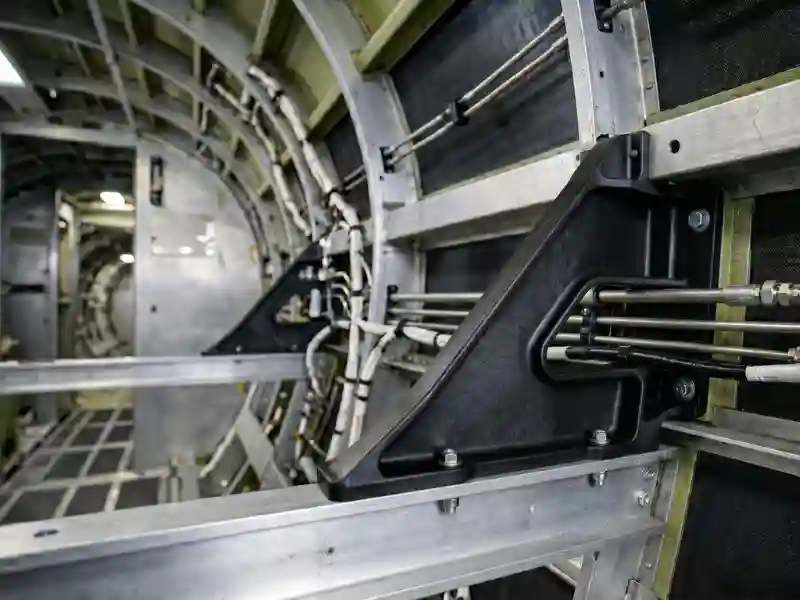 PPS is a high-performance thermoplastic that offers high mechanical performance and excellent heat and chemical resistance. Ideally suited for aerospace environments with constant fuel exposure, it maintains structural stability under heavy loads at service temperatures up to 464°F. Furthermore, its inherent flame retardancy and moisture resistance provide an essential layer of safety for critical fluid-handling systems.
Common applications include fuel system valves, heater housings, cooling system components, and structural brackets. This material is indispensable for systems that must undergo constant thermal cycling without degrading or losing dimensional accuracy. By maintaining its integrity in the presence of harsh fluids, PPS reduces component degradation and ensures consistent performance in critical aircraft fluid management systems.
PTFE for High-Voltage Insulation and Fuel Line Liners
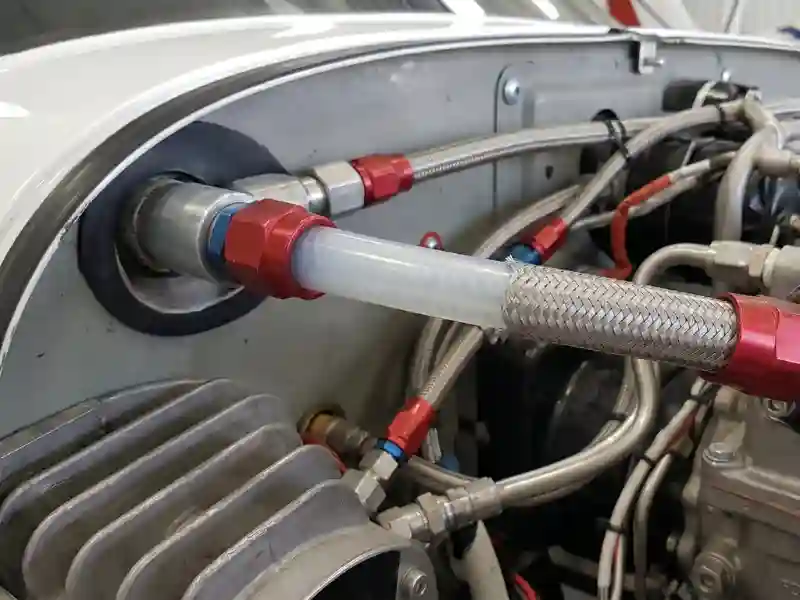 PTFE thrives in extreme environments that compromise other plastics. Offering nearly universal chemical immunity and stability from -400°F to +500°F, it is essential for high-stakes sealing and non-stick applications. Its ability to withstand corrosive conditions without degrading makes it vital for mission-critical fluid and electrical systems, while its ultra-low friction coefficient ensures superior performance in dynamic seals.
PTFE is used for fuel hose liners, high-voltage wire insulation, valve seals, and door gaskets. In these environments, the material's thermal stability and dielectric properties are critical for preventing electrical failure and ensuring leak-proof fuel transport. The material’s outstanding chemical resistance and low coefficient of friction significantly extend the MTBUR (Mean Time Between Unscheduled Removal) intervals for seals and gaskets located in hard-to-access areas.
Torlon® (PAI) for High-Strength Fasteners and Actuators
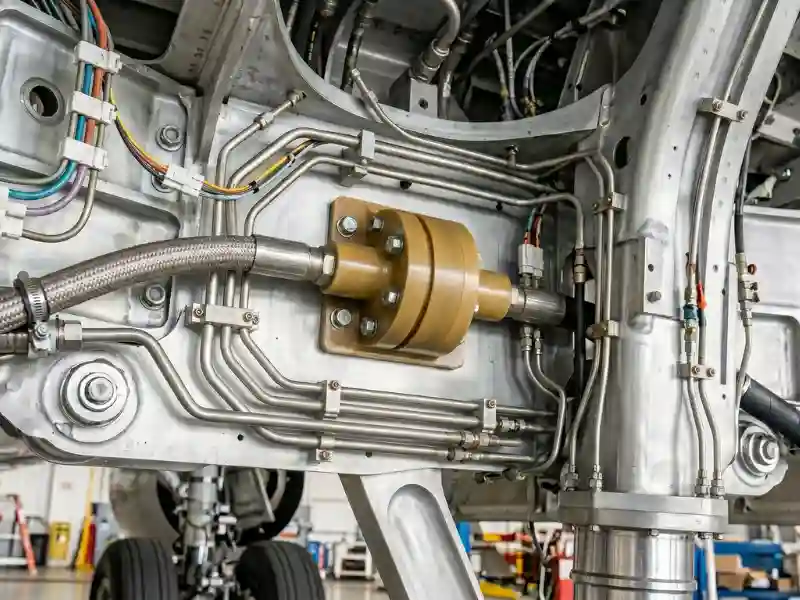 Torlon® (PAI) is a high-performance material known for its outstanding strength and thermal stability. It performs under severe stress conditions at continuous temperatures up to 500°F (260°C). Parts machined from Torlon® provide greater compressive strength, superior creep resistance, and higher impact resistance than most plastics, making it a preferred choice for precision flight controls.
Typical applications include high-strength fasteners, actuator sector gears, thermal isolators, and splined couplings. Beyond standard fasteners, it is widely used in high-speed actuator systems where repeated friction and high torque would quickly degrade standard plastics. By minimizing thermal expansion and friction-related wear, Torlon® helps extend component life and ensures efficient, reliable operation in critical propulsion and control systems.
UHMW for Cargo Systems and Luggage Bay Wear Plates
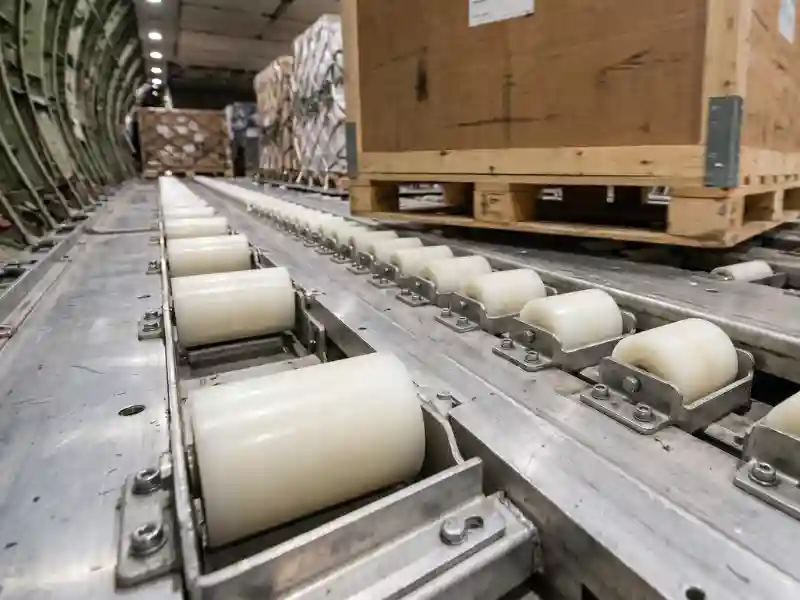 UHMW (Ultra-High Molecular Weight Polyethylene) is a high-wear, low-friction plastic engineered for harsh, high-contact environments where constant sliding contact is unavoidable. Unlike metal, it provides self-lubricating properties and will not rust or corrode, making it a highly reliable and quiet alternative for cargo and luggage handling areas. Its extreme impact strength also allows it to absorb the energy of container loading and transportation.
In aerospace facilities, this material is frequently used for cargo rollers, guide rails, luggage bay wear plates, and conveyor components. While UHMW is the premier choice for abrasion resistance in the cargo hold, its lower service temperature makes it ideal for these ambient-temperature logistics zones rather than high-heat engine environments. Because it resists heavy impact without degrading, UHMW helps extend the life of cargo bay equipment and reduces maintenance cycles in high-traffic zones.
Ultem® (PEI) for Ventilation Ducts and Oxygen Systems
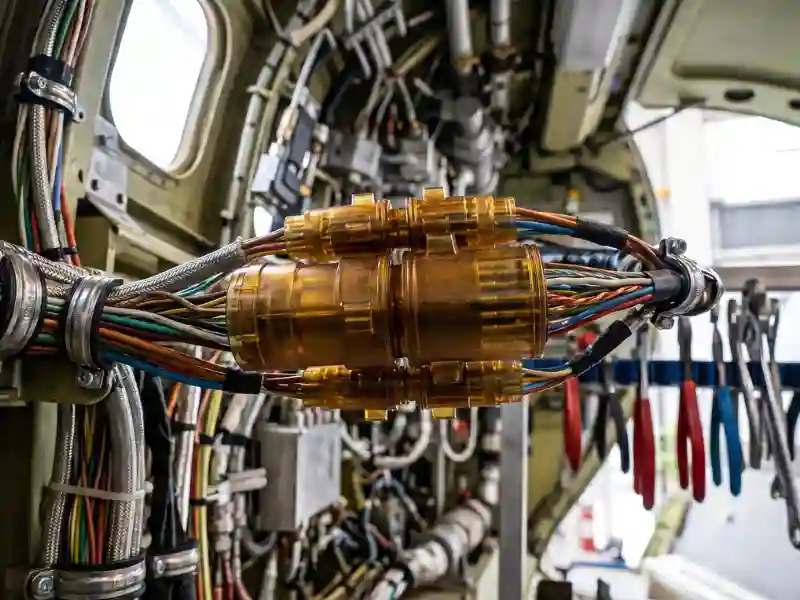 Ultem® (PEI) provides a powerful combination of mechanical strength, heat resistance, and low moisture absorption. It is available with Relative Thermal Indices (RTI) reaching up to 356°F, maintaining average stiffness and strength in environments up to 392°F. These properties make it perfect for environmental control systems (ECS) and other high-heat zones where maintaining structural integrity and flame resistance is critical for passenger and crew safety.
Common applications include oxygen manifolds, ventilation ducts, electrical connectors, and galley equipment. These specific uses require materials that can be fabricated into complex shapes while providing reliable, long-term performance under pressure and thermal stress. By utilizing Ultem®, aerospace manufacturers can maintain strict compliance with safety regulations while reducing the weight of critical environmental and electrical systems.
Custom Components and Fabricated Parts for Aerospace Manufacturing
Custom-cut panels and fabricated plastic components help aerospace OEMs, equipment manufacturers, and system integrators standardize critical parts and reduce variability across assembly lines. Key assemblies such as engine components, ventilation ducts, structural brackets, and interior partitions can be produced from high-performance, aerospace-grade plastics based on drawings, CAD files, or existing components. Cut-to-size programs and CNC machining improve dimensional accuracy, reduce material waste, and ensure a consistent fit across assemblies used in propulsion, flight deck, and cabin operations.
By sourcing fabricated components, aerospace manufacturers can streamline production, reduce in-house machining time, and maintain tighter tolerances across complex flight systems. This approach helps minimize installation adjustments, improve repeatability across multiple airframes or facilities, and support faster turnaround on mission-critical replacement parts. Interstate Plastics supports these applications by supplying precision-cut and machined components that reduce downtime, improve consistency, and maintain reliable performance in demanding aerospace environments.
Next Steps for Aerospace Manufacturers

Aerospace OEMs, defense contractors, and MRO facilities can work with Interstate Plastics to review material solutions for airframe structures, propulsion systems, flight deck instrumentation, and cabin interior assemblies. Share drawings, CAD files, cut lists, dimensions, templates, or a list of recurring engineering challenges such as extreme thermal cycles, weight reduction mandates, FST compliance requirements, or excessive wear on mechanical components. We will recommend aerospace-grade polymers and fabrication-ready formats, along with cut-to-size panels or CNC-machined components that improve assembly consistency, reduce aircraft weight, and support mission-critical reliability. Interstate Plastics helps aerospace operations maintain high-performance standards, reduce maintenance intervals, and improve fuel efficiency across the most demanding flight environments. Contact your Interstate Plastics representative or email emailsales@interstateplastics.com.