Sales & support: (855) 801-6333

Concrete Forming & Rustication Plastics

Buy cut-to-size and full plastic sheets for reusable, easy-release concrete form liners, rustication strips, and custom forming components.


Plastics for Concrete Forming

Plastic materials such as HDPE, UHMW, PVC, polypropylene, ABS, acetal, and nylon are used in the building and construction industries to fabricate reusable concrete forming components, rustication strips, reveal strips, form liners, spacers, plugs, and machined hardware.

Compared to traditional wood and metal, these plastics help reduce stripping time, improve release, and produce a smoother architectural finish for cured concrete.

  • Easy Release: Low-surface-energy plastics like HDPE and UHMW help reduce concrete adhesion and improve release, reducing the reliance on form-release agents.
  • Moisture & Weather Resistant: Unlike plywood or standard lumber, many of these plastics have very low moisture absorption. Compared to wood, they will not swell, rot, or absorb the water out of wet concrete (which can affect curing).
  • High Reusability: Highly durable and impact-resistant, plastic form liners and chamfers can be stripped and reused many times, lowering overall material costs per pour.
  • Corrosion Resistant: Plastic won't rust and can eliminate the rust staining seen with metal form components.

Core Concrete Forming Materials

Contractors and fabrication shops rely on these base materials for different aspects of the forming process:

  • HDPE (High-Density Polyethylene): HDPE is a cost-effective base material for reusable form liners, rustication strips, chamfer strips, and drip edges.
  • UHMW (Ultra-High Molecular Weight PE): As a premium upgrade over HDPE, UHMW is used for high-use forms, precast plants, hard-to-release profiles, and applications requiring high abrasion resistance and sliding contact.
  • Rigid PVC: PVC is used for fabricated form components, templates, dividers, blockouts, shims, and corrosion-resistant panels.

Concrete Forming & Rustication Plastics FAQ

What are concrete rustication strips?
Rustication strips, also called reveal strips, attach to the form face to create controlled grooves, shadow lines, and architectural reveals in cured concrete. Plastic strips made from HDPE or UHMW resist moisture and can be reused for multiple pours when properly handled.
Does concrete stick to plastic forms?
Plastics like HDPE and UHMW feature a low-surface-energy, low-friction finish that helps reduce adhesion and improve release. While a light form release agent is still often used for best practices, stripping plastic forms is significantly easier and cleaner than stripping wood forms.
Can plastic sheets replace MDO/HDO plywood?
HDPE or UHMW sheet can be used as a nonabsorbent form face or liner in some tilt-up and precast applications, but neither is a direct structural substitute for MDO/HDO plywood. Plastic has different stiffness and thermal expansion, and it can creep under sustained load. The form may need continuous backing, a different fastening pattern, and clearance for expansion. Finish quality depends on the sheet surface and joints as well as the release agent, concrete mix, and placement.
How many times can you reuse plastic concrete forms?
When properly maintained, plastic form liners, chamfers, and rustication strips made from HDPE or UHMW can often be reused for multiple pours. This can lower the cost per pour compared to traditional wood forms, which can degrade, warp, or splinter after only a few uses.
What is the difference between HDPE and UHMW for concrete forming?
Both plastics offer excellent concrete release properties and very low moisture absorption. HDPE is generally more cost-effective and easier to fabricate, making it the common material choice for form liners and rustication strips. UHMW features a higher molecular weight and has extreme abrasion resistance, making it the premium choice for high-wear precast plants, chutes, or moving slip forms.
How do you attach plastic rustication strips to the formwork?
Polyethylene's low surface energy makes it difficult to bond with general-purpose adhesives. Rustication strips are commonly secured to plywood with nails, brads, or screws, while proprietary clip systems, compatible tapes, or specialty adhesives may be used when specified.
Can I cut or route plastic form materials on the job site?
Yes. Plastics like HDPE, UHMW, Polypropylene, and PVC are highly machinable. Contractors can easily cut, drill, and route these materials on-site using standard woodworking tools equipped with carbide-tipped blades.
How do you clean cured concrete off plastic forms?
Concrete does not chemically bond well to plastics like HDPE and UHMW, making cleaning much easier than with wood forms. Clean plastic forms after each pour before residue fully hardens whenever possible. For cured buildup, use a plastic scraper or stiff-bristled nonmetallic brush, then wash away loose residue with water and mild detergent. Avoid sharp metal tools that can gouge the surface. Use pressure washing or chemical concrete removers only when permitted by the form or liner manufacturer.

Rustication & Reveal Materials

Reusable Form Liners & Facing Materials

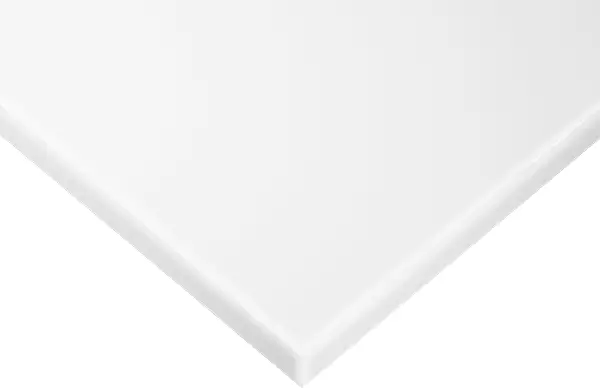
A cost-effective reusable form liner and facing material for flatwork and tilt-up construction.
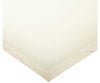
HDPE Sheet - Natural

PVC for Templates, Blockouts & Dividers

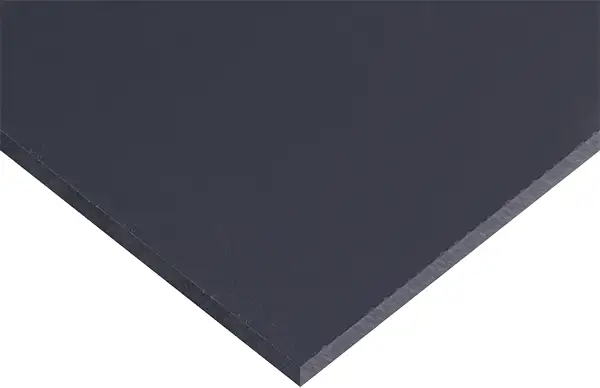
Rigid, moisture-resistant sheet for fabricated templates, dividers, blockout panels, shims, spacer plates, and non-structural form components.

Rigid PVC Type 1 Sheet

Rods for Machined Form Hardware

Machine your own precision alignment pins, bushings, and dimensionally stable form hardware.
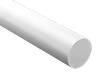
Acetal Rod - Natural

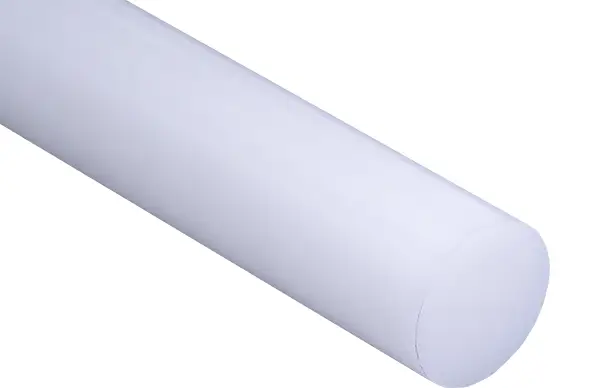
Cost-effective round stock for machining easy-release hole plugs, standoffs, and spacers.

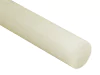
HDPE Rod - Natural

Custom Formliner Fabrication

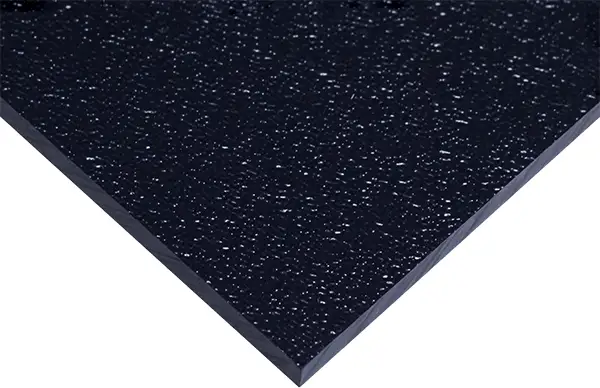
Thermoformable sheet for custom fabricated panels, textured liners, and architectural forming components.

Extruded ABS Sheet - Black


Interstate Plastics Suppliers