

Durable & UV-resistant panels for data centers, server farms, and server installations.

Buy cut-to-size polycarbonate twinwall and acrylic engineered for Hot and Cole Aisle Containment (HAC/CA) to optimize thermal management and airflow efficiency. These materials provide the superior impact strength and thermal insulation required to reduce energy costs and ensure maximum uptime in hyperscale and enterprise data center environments.
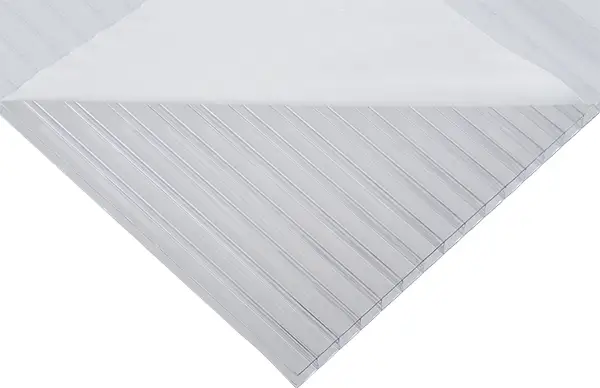
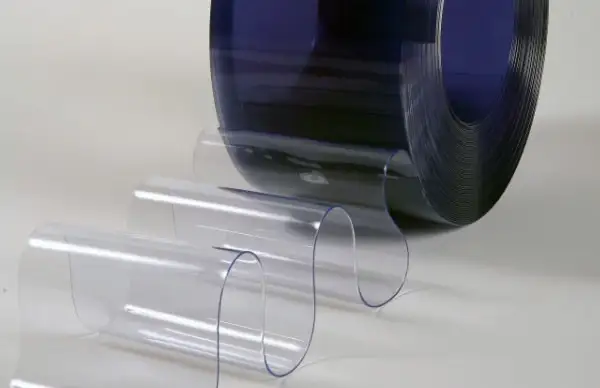
Data centers utilize polycarbonate multiwall panels for rack shelving, containment walls, doors, and covers, such as turtle-shell or umbrella covers. Usually 8 or 10mm thick, polycarbonate twinwall's thermal properties facilitate heat dissipation and enable cool air circulation between racks, ultimately aiding in cold aisle containment. In clean room environments, acrylic panels or clear flexible vinyl are often chosen to shield servers from dust. Containment areas are air-conditioned to maintain lower temperatures for optimal server performance and thermal loss mitigation. Polycarbonate twinwall's light weight, durability, impact resistance, and thermal insulation properties enable secure, easily scalable, and thermally regulated hot and cold aisle containment systems for data storage and processing.
Multiwall Properties
Applications
Industries
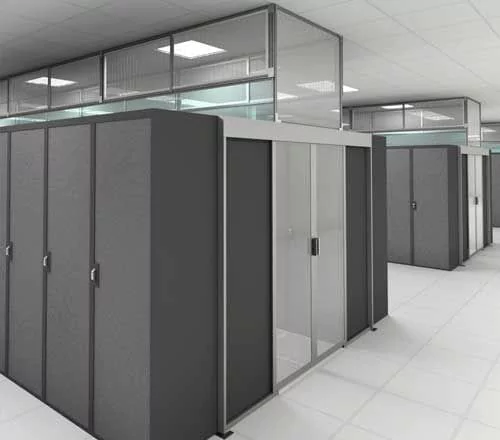
Plastics like polycarbonate multiwall and acrylic play significant roles in data center infrastructure. Polycarbonate twinwall panels are an increasingly popular material for data center containment systems, server shelving, and barriers in data centers - their durability, thermal properties, transparency, and modular nature allow them to help regulate temperatures and better control airflow to reduce the need for air conditioning systems while providing unbreakable protection. Acrylic panels see use in cleanroom environments within data centers, where they serve as barriers to shield server equipment from dust. Like polycarbonate, acrylic is transparent and more impact resistant than glass.
Polycarbonate multiwall plays an essential part in the construction of hot and cold aisle containment systems in data centers. In hot aisle containment, twinwall barriers are installed between rows of server racks to contain the hot exhaust air generated by the servers. The contained hot air can be efficiently extracted and expelled from the data center, preventing it from mixing with the cooler air supplied to the server intake. This separation helps maintain lower temperatures in the cold aisles where servers draw in cooler air for optimal operation. In cold aisle containment, twinwall barriers enclose the aisles where servers draw in cool air and prevent the mixing of cold supply air with the hot exhaust air. This enhances the efficiency of cooling systems by directing the cold airflow precisely where it is most needed.
Polycarbonate twinwall is lightweight, virtually unbreakable, and is easily installed or removed, making it a good choice for wall and door panels in containment systems. Its transparency lets light in and provides easy visibility into the containment system to monitor the equipment for potential issues. Twinwall is UV resistant and its UV coating prevents more than a 4% decrease in light transmission over 20 years.
In data centers, polycarbonate multiwall panels are often used as server rack shelving. The hollow nature of polycarbonate twinwall panels enables them to effectively dissipate heat and maintain optimal operating temperatures within data centers. By allowing air to flow through the shelving, twinwall panels help prevent heat buildup around the server equipment, reducing the risk of overheating and improving overall system reliability.
Acrylic is a heat formable material favored for barriers and partitions in data center cleanroom environments that is more resistant to scratches than other plastics. Acrylic barriers shield the units in the cleanroom from the outside world and are easy to clean and maintain. Acrylic's transparency ensures visibility, allowing personnel to effectively monitor the units for problems. It is rigid and durable, allowing barriers and partitions made from acrylic to maintain the integrity of cleanroom zones even amidst the bustling activity of data center operations.
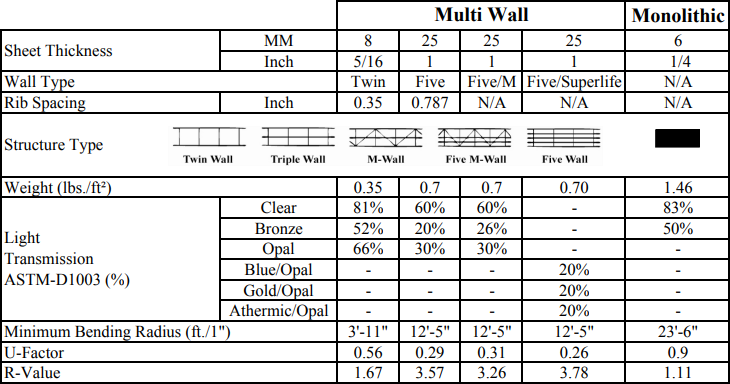
Polycarbonate twinwall is typically used to make the specialized turtle-shell and umbrella covers for data centers that shield the servers and equipment from external threats like water, dust, or debris. Twinwall is cold formable (see chart below for U-factor values) and can be formed into the arch or half-barrel shapes used in turtle-shell and umbrella covers. A virtually unbreakable material, polycarbonate twinwall is extremely durable and lightweight, allowing the turtle-shell and umbrella covers to be taken off with relative ease. Twinwall's clarity provides server visibility for monitoring purposes without needing to remove the cover.
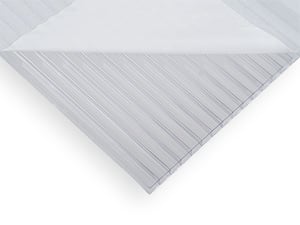
Durable & UV-resistant panels for data centers, server farms, and server installations.
Durable & UV-resistant panels for hot and cold aisle containment systems.
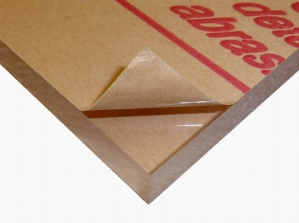
Acrylic sheet is 17 times stronger than glass, has excellent clarity, durability, and is lightweight.
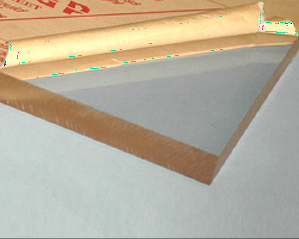
Extruded Acrylic has moderate properties, easy handling and processing, and low cost.
 WARNING: The products on this page can expose you to chemicals including Bisphenol A, CAS 80-05-7, which are known to the State of California to cause birth defects or other reproductive harm. For more information go to www.P65Warnings.ca.gov.
WARNING: The products on this page can expose you to chemicals including Ethyl acrylate, CAS 140-88-5, which are known to the State of California to cause cancer. For more information go to www.p65warnings.ca.gov.
WARNING: The products on this page can expose you to chemicals including Bisphenol A, CAS 80-05-7, which are known to the State of California to cause birth defects or other reproductive harm. For more information go to www.P65Warnings.ca.gov.
WARNING: The products on this page can expose you to chemicals including Ethyl acrylate, CAS 140-88-5, which are known to the State of California to cause cancer. For more information go to www.p65warnings.ca.gov.