Sales & support: (855) 801-6333

Underground Conduit and Duct Support Materials


Industrial Plastic Materials for Underground Duct Banks & Conduit Support Systems

Buy cut-to-size durable HDPE, PVC, ABS, and polypropylene solutions engineered for corrosion resistance, soil-load stability, and long-term protection of critical underground utility infrastructure.

Plastics are essential for conduit and duct support systems, providing a durable, non-corrosive, and lightweight solution for electrical and infrastructure applications. Their high impact strength, weather resistance, and excellent electrical insulation make them ideal for duct bank spacers, conduit spacers, and mounting brackets. Unlike metal alternatives, plastics resist moisture, chemicals, and UV exposure, ensuring long-term performance in harsh underground and outdoor environments. Plastics also reduce the risk of electrical conductivity and eliminate sharp edges or corrosion-related failures that can compromise worker safety. By reducing maintenance needs, preventing material degradation, and simplifying installation, plastics help optimize conduit and duct support systems for maximum efficiency and reliability.

Properties

  • Corrosion, Moisture, & Chemical Resistance
  • Electrical insulation properties
  • High impact strength and Durability
  • UV and Weather Resistance
  • Compatible with metals and adhesives
  • Lightweight
  • Easy to install
  • Cost effective

Applications

  • Duct bank spacers and Bore spacers
  • Conduit spacer bases and Intermediate spacers
  • Underground conduit supports
  • Pipe shoes
  • Mounting brackets
  • Conduit junction and Pull boxes
  • Expansion joints
  • Conduit hangers & Clamps
  • Electrical and Fiber optic cable trays
  • Handhole supports and Manhole covers

Industries

  • Electrical & Power Distribution
  • Transportation & Infrastructure
  • Commercial & Industrial Construction
  • Water & Wastewater Management
  • Oil, Gas, & Petrochemical
  • Mining & Heavy Equipment Operations
 

Engineering Plastics for Underground Duct Banks and Conduit Supports

Plastics play a vital role in conduit and duct support systems, offering superior durability, impact resistance, and environmental stability for both underground and above-ground infrastructure applications. Reprocessed HDPE (High-Density Polyethylene), Utility HDPE, PVC Type 1, Extruded ABS, and Fluted Polypropylene, are key materials, each selected for its specific advantages.

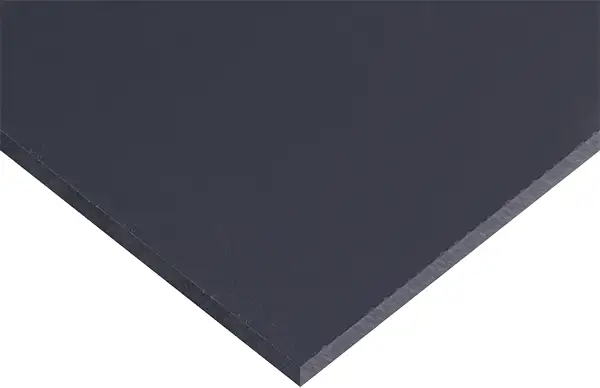
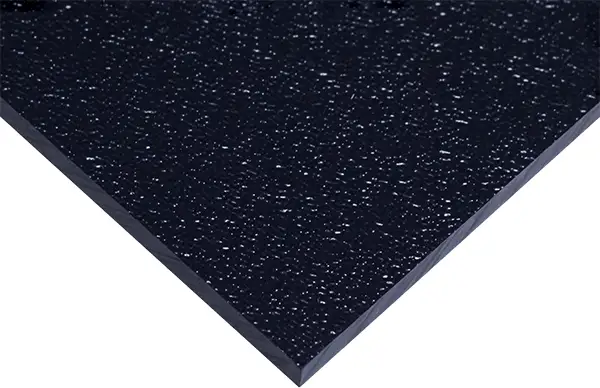
Reprocessed HDPE is commonly used in conduit spacers, duct banks, and underground supports due to its high impact strength, moisture resistance, and flexibility.

PVC Type 1 provides excellent rigidity, corrosion resistance, and electrical insulation, making it ideal for conduit fittings, junction boxes, and mounting brackets.

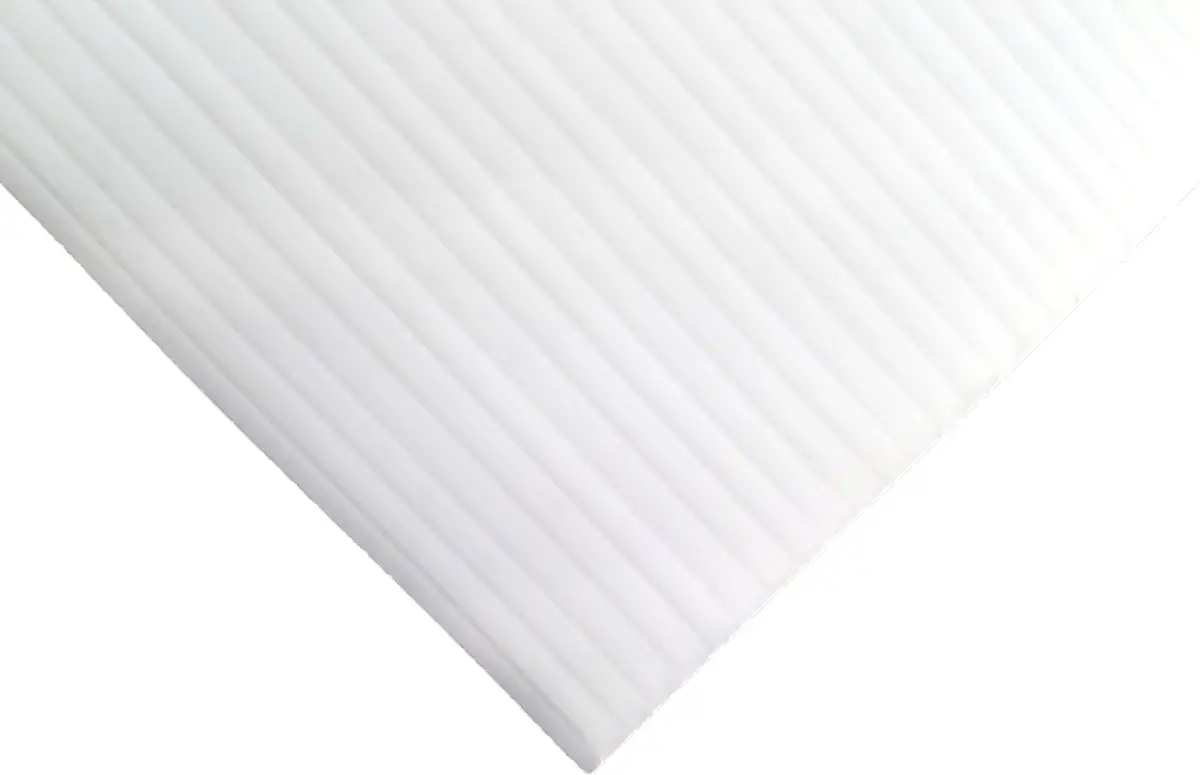
Fluted Polypropylene is lightweight and structurally strong, making it an efficient choice for conduit supports and protective barriers.

Extruded ABS offers a balance of strength and impact resistance, commonly used in conduit clamps, brackets, and support housings.

Together, these materials enhance the reliability, efficiency, and longevity of conduit and duct support systems across industrial, commercial, and infrastructure applications.

Materials for underground conduit and duct support system applications fall under NAICS codes #332996, 326122, 237130, and 238290.

FAQ: Selecting Plastics for Duct Bank & Conduit Systems

What are the best plastic materials for conduit and duct support systems?
The best plastic materials for conduit and duct support systems include Reprocessed HDPE, Utility HDPE, PVC Type 1, Fluted Polypropylene, and Extruded ABS, each offering unique advantages. Reprocessed HDPE and Utility HDPE are highly impact-resistant, moisture-proof, and flexible, making them ideal for underground conduit spacers. PVC Type 1 provides excellent rigidity, chemical resistance, and electrical insulation for stable duct bank supports. Fluted Polypropylene is lightweight and durable, perfect for temporary conduit spacing and protective barriers. Extruded ABS combines strength and impact resistance, commonly used in conduit clamps, brackets, and mounting systems. These materials ensure long-lasting performance, corrosion resistance, and ease of installation in electrical and infrastructure applications.
Why are plastics preferred over metal for conduit and duct support systems?
Plastics are preferred over metal for conduit and duct support systems due to their corrosion resistance, lightweight construction, and long-term durability. Unlike metal, plastics do not rust or degrade when exposed to moisture, chemicals, or harsh environmental conditions, making them ideal for underground and outdoor applications. Their lightweight nature allows for easier handling and installation, reducing labor costs and enhancing efficiency. Additionally, plastics provide excellent electrical insulation, preventing conductivity issues in electrical and fiber optic conduit systems. With low maintenance requirements and extended service life, plastics offer a cost-effective, reliable, and high-performance solution for conduit and duct support applications.
How does HDPE compare to PVC for conduit and duct bank spacers?
HDPE and PVC are two of the most commonly used materials for conduit and duct bank spacers, each offering distinct advantages. HDPE (High-Density Polyethylene) is flexible, impact-resistant, and moisture-proof, making it ideal for underground applications where soil pressure and movement are concerns. It withstands harsh environments without cracking and has excellent chemical resistance. PVC (Polyvinyl Chloride), on the other hand, is more rigid and provides superior structural stability, making it a great choice for duct banks that require strong, non-flexible support. PVC also offers excellent electrical insulation and is naturally flame-retardant in certain grades. Both materials resist corrosion, but HDPE is better suited for extreme temperature fluctuations, while PVC maintains its shape and rigidity under heavy loads. The choice between HDPE and PVC depends on the specific requirements of the installation, with HDPE excelling in flexibility and durability, and PVC offering strength and stability.
Are plastic conduit spacers and supports suitable for underground installations?
Yes, plastic conduit spacers and supports are highly suitable for underground installations, offering durability, corrosion resistance, and long-term reliability. Unlike metal, plastics do not rust or degrade when exposed to moisture, soil chemicals, or extreme temperatures, making them ideal for buried conduit systems. Materials like Reprocessed HDPE and PVC Type 1 provide high impact resistance to withstand soil pressure and shifting, ensuring conduits remain properly spaced and aligned. Additionally, plastics are lightweight, making installation easier and more cost-effective while reducing labor requirements. Their electrical insulation properties also enhance safety by preventing conductivity issues. With low maintenance needs and excellent performance in harsh environments, plastic conduit spacers and supports are a trusted choice for underground installations.
What factors should I consider when selecting materials for conduit spacers?
When selecting materials for conduit spacers, consider durability, weather resistance, structural stability, and ease of installation. Impact resistance is crucial for withstanding soil pressure and mechanical stress in underground and high-load applications. Moisture and chemical resistance ensure long-term performance in wet or corrosive environments, making materials like Reprocessed HDPE and PVC Type 1 ideal choices. Rigidity vs. flexibility is another key factor—rigid materials like PVC Type 1 provide strong structural support, while flexible options like Reprocessed HDPE adapt to ground movement without cracking. Additionally, electrical insulation properties prevent conductivity issues in electrical and fiber optic conduit systems. Plastics reduce installation time and labor costs, improving efficiency. By considering these factors, you can choose the best material to ensure reliable, long-lasting conduit spacer performance in any environment.

Top Materials for Underground Duct Banks & Conduit Support Systems


Corrosion-Resistant Material Solutions for Buried Utility & Duct Bank Environments

Interstate Advanced Materials delivers conduit and duct support system material solutions designed for durability and long-term performance in demanding underground and outdoor environments. These materials enhance system safety and reliability while reducing maintenance and installation costs across utility, construction, transportation, and energy infrastructure projects.

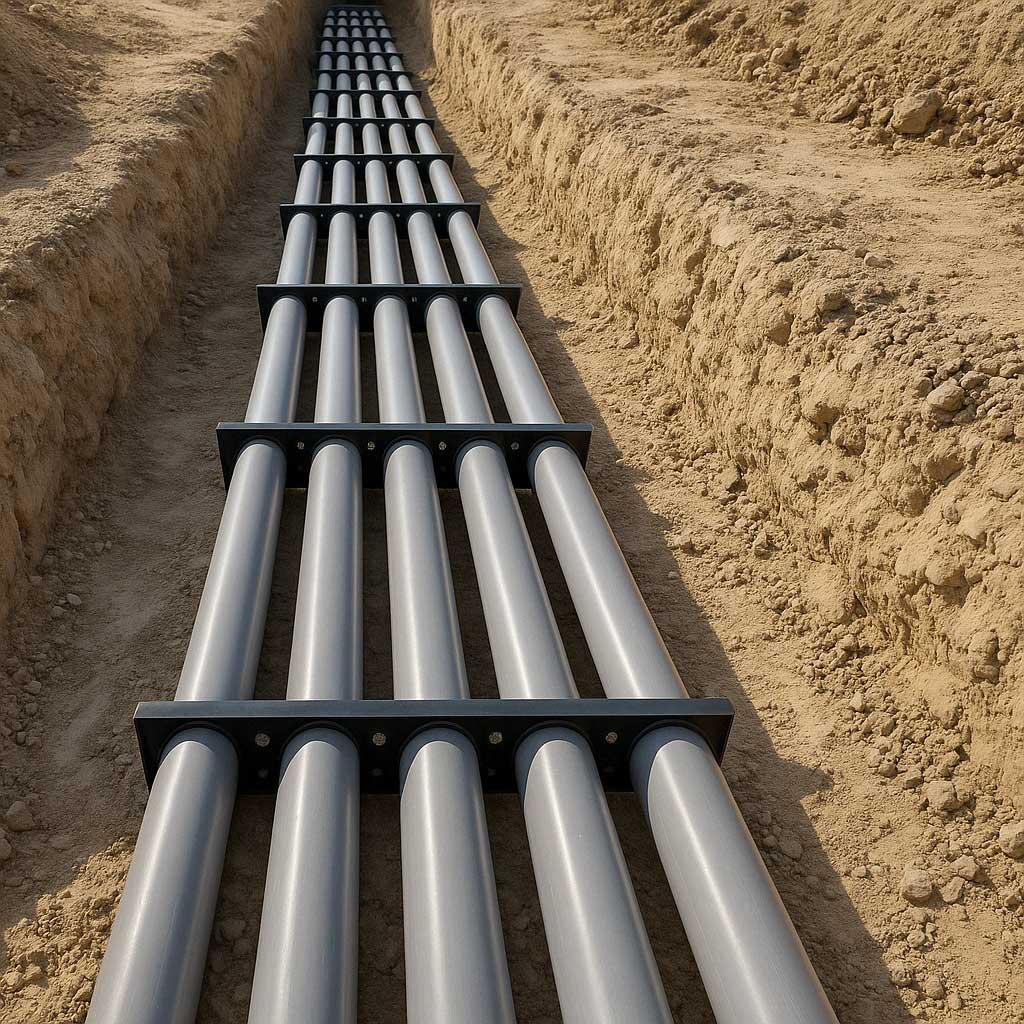
In trench installations, spacer cards offer a safer, more consistent alternative to traditional "stacking chair" methods. Made from reprocessed HDPE or fluted polypropylene, spacer cards provide uniform conduit alignment, load distribution, and separation. This prevents shifting, collapse, or conduit deformation during encasement, helping preserve system integrity over time and improving safety for workers during installation.

To further support conduit stabilization, Interstate Advanced Materials offers materials for conduit retaining devices (CRDs). CRDs are used in duct bank installations and underground utility vaults to keep conduit in place before encasement, improving structural reliability. These solutions streamline installation and improve efficiency on the job site.

Materials such as reprocessed HDPE, fluted polypropylene, and PVC Type 1 offer durable alternatives to wood and metal for various conduit and duct support applications. Reprocessed HDPE is ideal for conduit spacers, support rails, trench panels, and mounting plates, with toughness suited for direct burial in harsh soil. Fluted polypropylene is lightweight and water-resistant, making it well-suited for divider panels, conduit shims, bore spacers, and temporary shielding, while also allowing for easy on-site customization. PVC Type 1 supports wall-mounted brackets, cable trough dividers, and utility vault spacers, offering non-conductive, corrosion-resistant performance in buried and exposed environments.

Interstate Advanced Materials maintains strong partnerships with domestic extruders, ensuring steady supply and competitive pricing. Its long-standing relationships support fast delivery and product availability for large or time-sensitive projects, streamlining logistics and minimizing project delays.

Operating five processing machines across multiple shifts, the company delivers the production capacity and flexibility needed for fast turnarounds and consistent quality. This enables dependable support for projects with tight schedules or variable scopes.

Interstate Advanced Materials supplies material solutions that help contractors build safer, more efficient, and longer-lasting conduit and duct systems. To learn more about material solutions for underground conduit and duct support applications, call a material expert today at (888) 768-5759.

 

WARNING: The products on this page can expose you to chemicals including Polyvinyl Chloride, CAS 9002-86, which are known to the State of California to cause cancer and birth defects or other reproductive harm. For more information go to www.p65warnings.ca.gov.

WARNING: The products on this page can expose you to chemicals including Acrylonitrile, CAS 107-13-1, which are known to the State of California to cause cancer and birth defects or other reproductive harm. For more information go to www.p65warnings.ca.gov.

WARNING: The products on this page can expose you to chemicals including Styrene, CAS 100-42-5, which are known to the State of California to cause cancer and birth defects or other reproductive harm. For more information go to www.p65warnings.ca.gov.

WARNING: The products on this page can expose you to chemicals including Ethylene Oxide, CAS 75-21-8, which are known to the State of California to cause cancer. For more information go to www.p65warnings.ca.gov.

WARNING: The products on this page can expose you to chemicals including Ethylene Oxide, CAS 75-21-8, which are known to the State of California to cause birth defects or other reproductive harm. For more information go to www.p65warnings.ca.gov.



Interstate Plastics Suppliers