Polycarbonate vs Acrylic: Key Differences Explained
While Acrylic and Polycarbonate are the industry standards for clear glass alternatives, selecting the right one depends on your priority: optical brilliance or impact durability.
Choose acrylic for projects that require superior transparency, UV resistance, and a polished finish. Choose polycarbonate for applications that demand virtually unbreakable strength and high heat resistance.
In this guide from Interstate Plastics, we break down the critical differences (including impact strength, optical clarity, fabrication methods, and cost) to help you decide which material is best for your project.
Impact Resistance: Strength and Durability
 When toughness matters, polycarbonate has a clear advantage. In the comparison of polycarbonate vs acrylic, polycarbonate is virtually unbreakable, resisting impacts that would shatter glass or crack acrylic. It is 20-30 times stronger than acrylic and is relied upon for riot shields, security glazing, sports arena barriers, and machine guards.
Acrylic is 10-17 times stronger than glass, making it more impact-resistant than standard glazing, but not as tough as polycarbonate. Acrylic is well-suited to aquariums, skylight domes, indoor signage, and retail displays where risk of impact is lower.
- Polycarbonate applications:
- riot shields, bullet-resistant glazing, machine guards.
- Acrylic applications:
- aquariums, skylight domes, retail fixtures.
Bottom line: Choose polycarbonate for high-risk environments, and acrylic where clarity and aesthetics are more important than maximum toughness.
Clarity and Optical Properties
 One of the main differences in acrylic vs polycarbonate is clarity. Acrylic transmits up to 92% of visible light, providing a crystal-clear, glass-like appearance. It naturally resists yellowing outdoors, making it the best material for outdoor signage where long-lasting brightness matters.
Polycarbonate transmits 86-88% of visible light and remains clear and glass-like, though slightly less bright. Outdoor polycarbonate requires UV-stabilized or coated grades, which then perform very well in skylights, greenhouses, and exterior barriers.
- Scratch resistance:
- Acrylic has a harder surface and is more scratch resistant. It can also be polished back to clarity. Polycarbonate requires a hard-coat finish for maximum abrasion resistance.
- Summary:
- Acrylic excels in optical clarity and scratch resistance; polycarbonate balances transparency with unmatched durability.
In signage applications — whether considering acrylic glass vs polycarbonate — acrylic provides superior brilliance, while polycarbonate offers security where vandalism or impact is a concern.
Cost and Availability
When comparing polycarbonate sheet vs acrylic sheet, acrylic is generally 30-35% less expensive. This makes acrylic highly cost-effective when impact resistance is not the top priority. Polycarbonate costs more upfront but offers long-term savings in environments where damage and replacement are common.
- Fabrication:
- Acrylic is easily laser cut, flame polished, and solvent bonded, which is ideal for decorative displays. Polycarbonate cannot be laser cut because it melts. For those researching how to cut polycarbonate sheets, saws, routers, and CNC machines are recommended. Both materials machine well, but acrylic offers polished edges and precise decorative finishes.
- Availability:
- Both are widely available in sheets, rods, and tubes. Acrylic offers more decorative finishes, while polycarbonate provides specialty performance options like UV-stabilized, abrasion-resistant, and flame-retardant grades.
Applications
- Polycarbonate applications:
-
- Security glazing for banks, prisons, and government facilities.
- Skylights, greenhouses, roofing panels, and awnings.
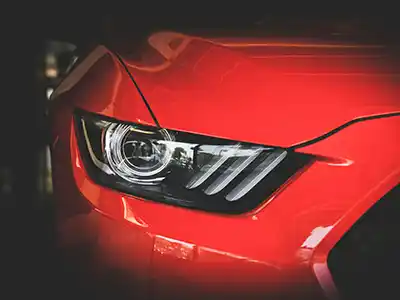
- Automotive and aerospace uses such as automotive glazing and aircraft windows.
- Industrial machine guards, enclosures, and protective screens.
- Consumer products like protective eyewear.
- Acrylic applications:
-
- Displays, retail fixtures, and backlit signage.
- Skylight domes, wall partitions, and decorative architectural panels.
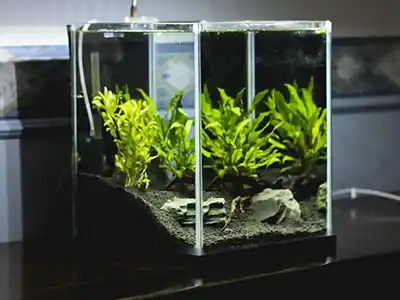
- Aquariums, which benefit from clarity and strong solvent-bonded seams.
- DIY projects including shelving, storm window inserts, and picture frames.
- Medical and food service products like sneeze guards and bakery cases.
Plexiglass vs Polycarbonate
Plexiglass vs polycarbonate is a common comparison. Plexiglass is simply another name for acrylic (with Plexiglas being a brand name), so the differences are the same as acrylic vs polycarbonate. Plexiglass provides greater clarity and scratch resistance, while polycarbonate is much stronger and the better choice for impact resistance and safety.
Quick Comparison Table
| Property | Polycarbonate (PC) | Acrylic (PMMA) |
|---|---|---|
| Impact Strength | ~20-30x stronger than acrylic | ~10-17x stronger than glass |
| Flexibility | Slightly flexible | Rigid; brittle if cold-flexed |
| Optical Clarity | ~86-88% transmission | ~92% transmission, crystal clear |
| Scratch Resistance | Softer; needs hard coat | Harder surface; polishable |
| UV Resistance | Requires UV-stabilized grade | Naturally UV resistant |
| Temperature Resistance | Up to ~250°F | Up to ~180°F |
| Machinability | Saw, rout, drill only | Laser cut, flame-polish |
| Cost | Higher | Lower (~30-35% less) |
| Common Uses | Skylights, machine guards, shields | Aquariums, signage, displays |
This guide was authored by Christopher Isar and reviewed for technical accuracy by Chris Clark.

About the Author
At Interstate Advanced Materials, Christopher Isar turns "it depends" into "do this." Since 2011, he's helped buyers choose plastics with confidence by focusing on what works on the shop floor and in the field, backed by IAPD Level 2 certification. If your project can't miss, Chris will guide you to cost-effective, real-world options. Contact Chris.