





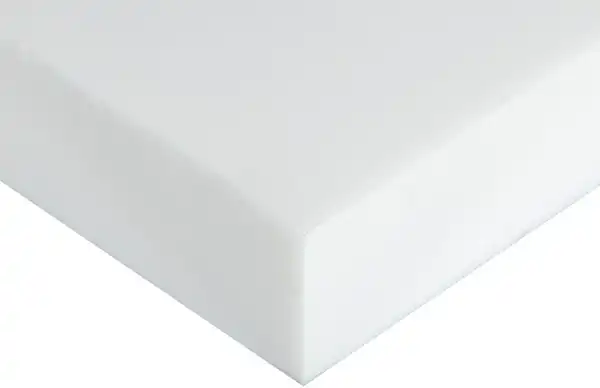
Clear cast acrylic provides optical clarity for cleanroom observation windows and equipment covers.

Buy cut-to-size cleanroom plastics and composites for windows, wet benches, wall systems, equipment guards, and precision components, including acrylic, polycarbonate, anti-static UHMW, and FM 4910 materials such as CRP-1 PVC, CPVC 2000, FRP-3 polypropylene, Kynar® 740 PVDF, and PFA-M.
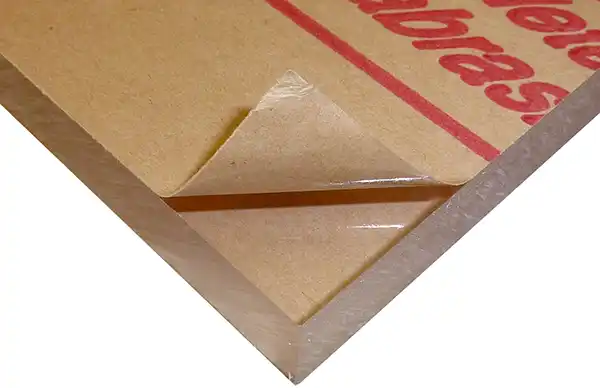
Clear cast acrylic provides optical clarity for cleanroom observation windows and equipment covers.
Clear extruded acrylic is an economical choice for cleanroom viewing panels and equipment covers.

Film-masked extruded acrylic protects the surface during fabrication of cleanroom viewing panels.

Film-masked cast acrylic provides optical clarity for cleanroom windows and equipment covers.

AR2 cast acrylic resists abrasion to preserve visibility in cleanroom windows and viewing panels.

Frame-grade acrylic provides lightweight glazing for cleanroom support-area displays and panels.

UV-filtering, non-glare acrylic reduces reflections in cleanroom support-area displays and panels.
P99 acrylic reduces glare on cleanroom displays, equipment interfaces, and viewing panels.

Non-glare extruded acrylic provides a matte surface for cleanroom displays and viewing panels.

OPTIX-L® cast acrylic provides optical clarity for cleanroom windows, viewing panels, and covers.

OPTIX® prismatic acrylic controls glare in cleanroom lighting panels, ceiling panels, and fixture covers.

Clear cast acrylic rod machines into transparent cleanroom equipment parts, spacers, and handles.

Clear extruded acrylic rod is a lightweight option for cleanroom spacers, supports, and parts.
Anti-static UHMW reduces static buildup and friction in cleanroom conveyor guides and wear strips.

TIVAR® DrySlide ESD provides static control and low friction for cleanroom conveyor components.

Clear PVC strip rolls form transparent barriers at cleanroom-adjacent doors and transfer openings.
Ribbed clear PVC strip rolls form durable barriers for high-traffic controlled-area doorways.
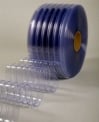
Clear PVC film rolls create flexible partitions, curtains, and barriers in cleanroom-adjacent areas.

LAM 2000® CPVC provides FM 4910 performance for cleanroom sight windows, covers, and guards.

Gray CPVC sheet resists chemicals and heat in cleanroom process-equipment panels and tanks.

Gray CPVC rod machines into chemical-resistant cleanroom supports and fluid-handling parts.
LAM CRP-1 PVC meets FM 4910 for semiconductor cleanroom wet bench cabinets and equipment enclosures.
CRP-1 PVC combines FM 4910 performance and impact strength for cleanroom equipment cabinets.
CRP-1 PVC welding rod fabricates compatible cleanroom wet benches, cabinets, and enclosures.
Halar® 901 ECTFE resists chemicals and permeation in cleanroom tank linings and equipment panels.

Halar® 902 ECTFE provides chemical and wear resistance for semiconductor cleanroom equipment.

Dark gray expanded PVC is a lightweight option for cleanroom cabinetry and utility panels.

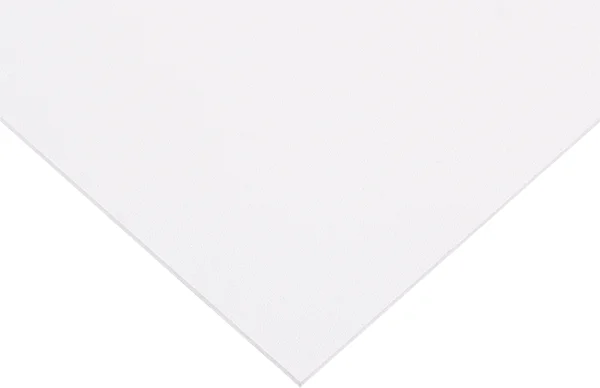
White expanded PVC provides a lightweight, moisture-resistant surface for cleanroom cabinetry.

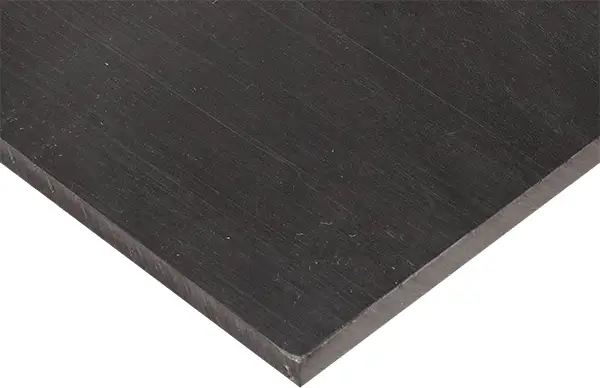
Black expanded PVC is a lightweight, moisture-resistant material for cleanroom support areas.
Light gray expanded PVC offers moisture resistance for cleanroom cabinetry and utility panels.

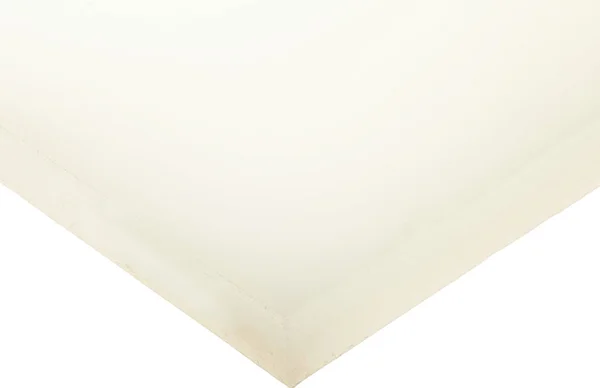
Beige expanded PVC is a lightweight material for cleanroom cabinetry and equipment covers.

Green expanded PVC supports color-coded cleanroom utility panels, signage, cabinetry, and covers.

Red expanded PVC supports color-coded cleanroom utility panels, signage, and equipment covers.

Dark blue expanded PVC supports color-coded cleanroom cabinetry, panels, and equipment covers.

White Class A FiberLite® FRP provides a moisture-resistant finish for cleanroom support-area walls.

White Class C FiberLite® FRP provides a durable, moisture-resistant finish for cleanroom support walls.

White smooth FiberLite® FRP provides a moisture-resistant surface for cleanroom support areas.

Black embossed FiberLite® FRP provides a moisture-resistant wall finish for cleanroom support areas.

Black smooth FiberLite® FRP provides a moisture-resistant finish for cleanroom support areas.

Almond embossed FiberLite® FRP provides a moisture-resistant wall finish for cleanroom support areas.

Almond smooth FiberLite® FRP provides a moisture-resistant finish for cleanroom support areas.

Pearl gray embossed FiberLite® FRP provides a durable finish for cleanroom support-area walls.

Pearl gray smooth FiberLite® FRP provides a moisture-resistant cleanroom support-area finish.

Beige embossed FiberLite® FRP provides a moisture-resistant wall finish for cleanroom support areas.

Silver embossed FiberLite® FRP provides a moisture-resistant finish for cleanroom support areas.
LAM FRP-3 polypropylene meets FM 4910 for cleanroom rinse modules, cabinets, and enclosures.

White MediGrade® HDPE provides an antimicrobial surface for cleanroom cabinetry and countertops.

Dolphin gray MediGrade® HDPE provides an antimicrobial surface for cleanroom cabinetry and carts.

Sanshade MediGrade® HDPE provides an antimicrobial surface for cleanroom and laboratory cabinetry.

Seafoam MediGrade® HDPE provides an antimicrobial surface for cleanroom cabinetry and equipment.

White Palclad® Pro HYG provides smooth, antimicrobial wall cladding for cleanrooms and sterile rooms.

Blue Palclad® Pro HYG provides smooth, antimicrobial wall cladding for cleanrooms and laboratories.

Green Palclad® Pro HYG provides smooth, antimicrobial wall cladding for cleanrooms and sterile rooms.
Beige Palclad® Pro HYG provides smooth, antimicrobial wall cladding for cleanrooms and sterile rooms.
Natural PET sheet provides dimensional stability for cleanroom tooling, fixtures, and guides.

Black PET sheet provides dimensional stability for cleanroom fixtures, guides, and equipment parts.
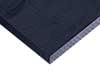
Ertalyte® PET provides dimensional stability for cleanroom tooling, carriers, guides, and rollers.

Ertalyte® TX PET provides low-friction wear performance for cleanroom guides, rollers, and components.

Gray TX PET provides low-friction wear performance for cleanroom guides, rollers, and sliding parts.
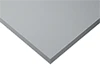
Natural PET rod machines into stable cleanroom rollers, guides, bushings, and equipment parts.

Black PET rod machines into stable cleanroom fixtures, rollers, guides, and equipment parts.

Gray TX PET rod machines into low-friction cleanroom rollers, guides, and wear components.

PFA-M® sheet meets FM 4910 for high-temperature cleanroom tanks, ducting, and process equipment.

Natural PFA rod machines into chemical-resistant cleanroom fluid-handling and equipment parts.
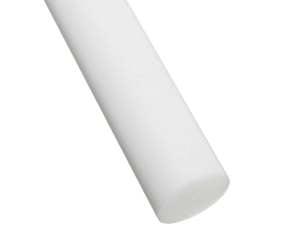
Clear polycarbonate provides impact resistance for cleanroom guards, enclosures, and partitions.

AR2 polycarbonate resists abrasion in frequently cleaned cleanroom guards and viewing panels.

Machine-grade polycarbonate provides dimensional stability for precision cleanroom equipment parts.

Renovo-MPC™ polycarbonate provides clear glazing for cleanroom support-area guards and partitions.
Machine-grade polycarbonate rod provides impact strength for precision cleanroom equipment parts.

Kynar® 740 PVDF meets FM 4910 for semiconductor cleanroom tanks and wetted process components.

Kynar® FLEX 2850 PVDF provides flexibility and chemical resistance for cleanroom equipment.

PVDF Kynar® rod machines into chemical-resistant cleanroom fluid-handling and equipment parts.

PVDF welding rod joins compatible cleanroom tanks, DI-water systems, and chemical equipment.
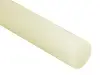
TECAFORM® AH UD Blue Plate is detectable by optical, metal, and X-ray systems for cleanroom parts.
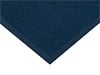
TECAFORM® AH UD Blue Rod is detectable by optical, metal, and X-ray systems for cleanroom parts.

 WARNING: This product can expose you to chemicals including Formaldehyde, CAS 50-00-0, which are known to the State of California to cause cancer. For more information go to www.P65Warnings.ca.gov.
WARNING: This product can expose you to chemicals including Hexachlorobenzene, CAS 118-74-1, which are known to the State of California to cause birth defects or other reproductive harm. For more information go to www.P65Warnings.ca.gov.