Sales & support: (855) 801-6333

Phenolic Thermoset Sheet & Rod: High-Strength Resin Laminates

Buy cut-to-size phenolic thermoset composite materials that have the advantage of high strength and stiffness achieved through a reinforcement material. Interstate Plastics offers a variety of cut-to-size phenolic grades for structural and electrical applications, including canvas, linen, paper, and G10 epoxy laminates.


What is Phenolic Plastic?

Phenolic plastic including canvas, linen, g10 epoxy phenolic resin sheet and specialized phenolic sheet grades have high strength and stiffness achieved through a reinforcement material. Phenolic machinable plastics are thermoset composite materials. They have the advantage of high strength and stiffness achieved through a reinforcement material. Glass fiber or woven cotton with resins including phenolic or epoxy are blended to create sheet material. This process makes phenolics generally more cost effective than thermoplastics for the same application. These composites have varying properties depending on the resin-reinforcement materials used. Phenolic plastics carry nearly half the weight of aluminum, with a physical toughness that withstands abrasion, impact, and friction and material fatigue. Phenolic plastics are corrosion resistant to most chemicals and substances.

High tensile, compressive, flexural and impact strength make phenolic plastics the material of choice for many applications. Interstate Plastics offers various specialty grades of phenolic including "C" grade canvas sheet, "LE" grade sheet, paper "economy" grade sheet, and G-10 glass epoxy sheet. The insulating qualities of each grade — such as low dissipation factor and excellent dielectric strength — make phenolic plastics valuable for many precision electrical and electronic applications.

"C" Grade Canvas Phenolic:
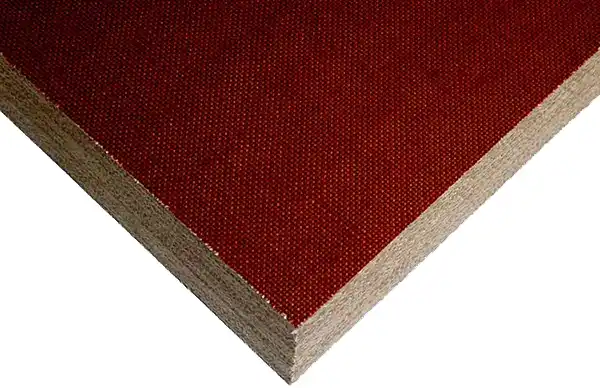
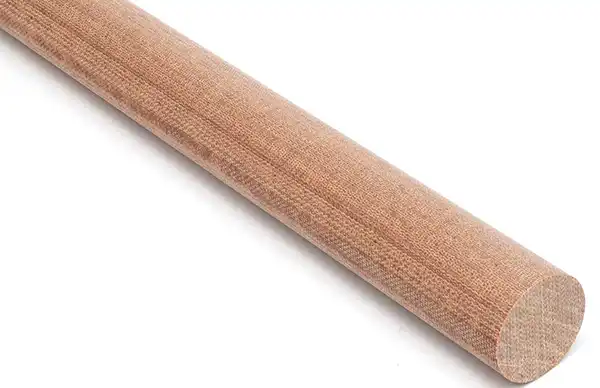
Canvas "C" grade consists of a cotton canvas fabric and general-purpose phenolic resin. The product is easy to machine, known for high impact strength, and operates with less noise than metal. In addition, this material is not as abrasive as fiberglass alternatives when used in wear applications. Since it does not spark when struck, canvas phenolic can be used in explosion-proof environments. The material is commonly used to make gears, pulleys, rollers and guides. Canvas phenolic is a mechanical grade and does not have electrical properties comparable to the normative "C" grade. It can withstand temperatures up to 257°F.

Linen "LE" Grade Phenolic:
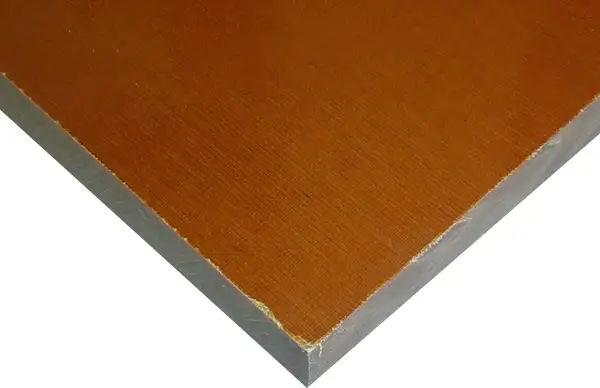
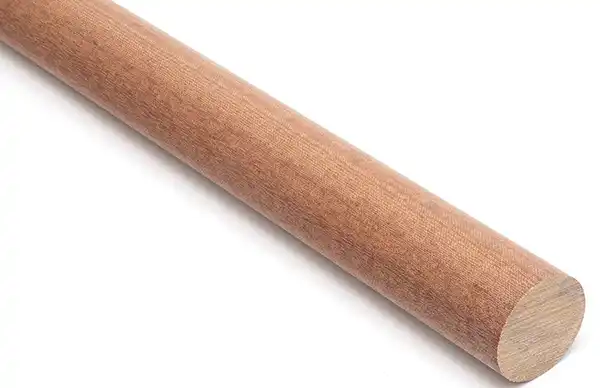
Linen "LE" grade sheet is used where better machining is needed compared to that offered by canvas grades. This product consists of a fine-weave linen fabric and general-purpose phenolic resin. Besides easy machining, linen phenolic operates with less noise than metal. In addition, this physical material is not as abrasive as fiberglass alternatives when used in wear applications. Linen phenolic can be used in explosion-proof environments. It is suitable for smaller and more intricate shapes than those made with canvas phenolic, and is commonly used to make fine-tooth gears, pulleys, rollers, guides and other precision parts. Phenolic grade "LE" sheets will withstand up to 275°F and has a moisture absorption rate of 1.3%.

Paper-masked "Economy" Grade Phenolic:
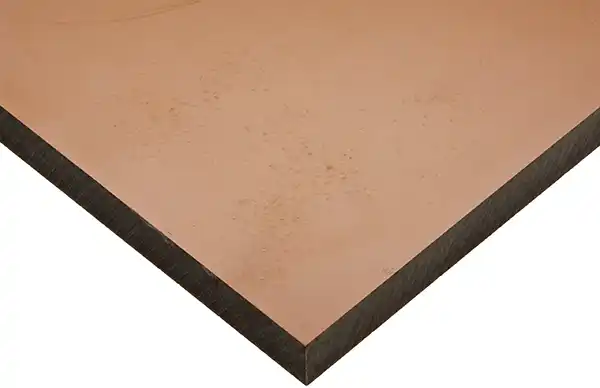
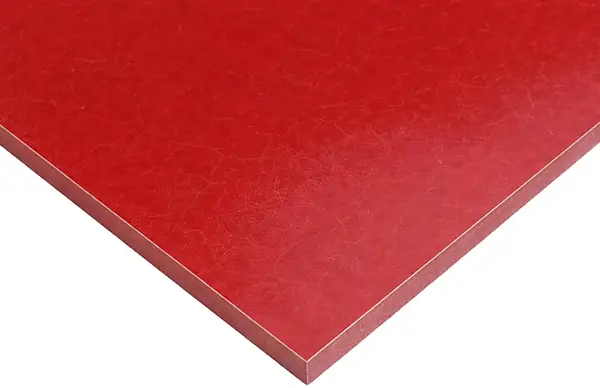
Paper "economy" grade is a paper-based laminate with low phenolic resin content. A non-nema economy grade, economy paper phenolic is typically hot punched for numerous low voltage electrical applications. Economy paper offers fair electric properties in dry conditions, but the product is not suitable for applications that require resistance to high humidity.

G-10 Glass Epoxy Sheet:
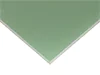
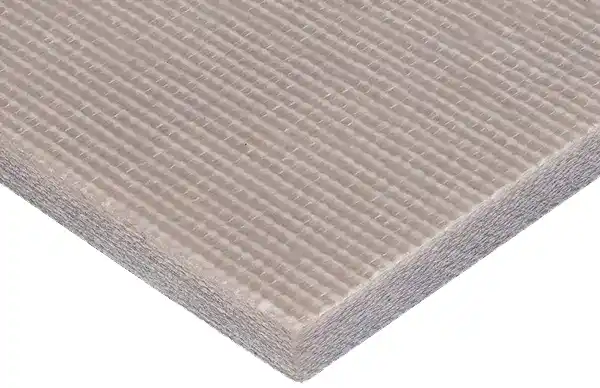
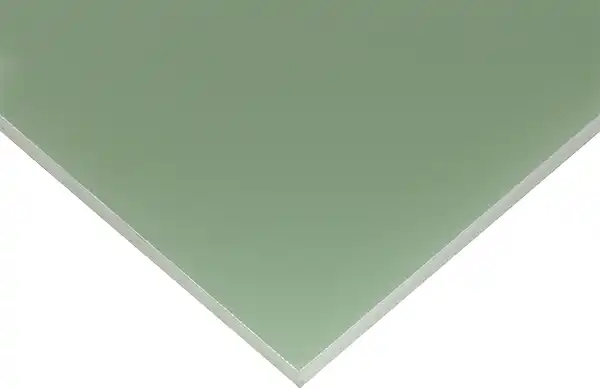
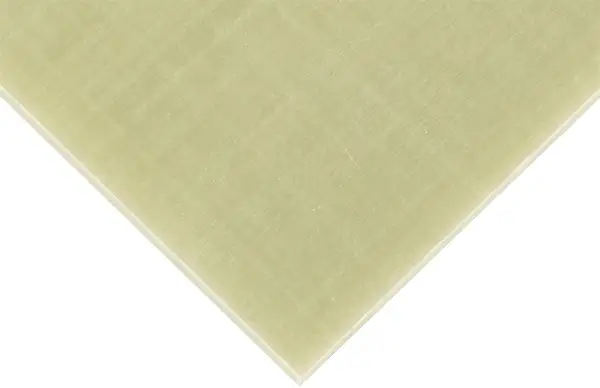
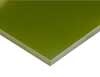
A light green material, G-10 glass epoxy sheet combines a woven glass fabric and an epoxy resin laminate that contains bromine. G10 provides consistent quality and good electrical properties under dry and humid conditions, as well as high flexural, impact, and bond strength at room temperatures. Due to a high mechanical strength, low water absorption and superior electrical characteristics, this product is suitable for a variety of structural, high humidity, and electrical insulation applications, which include terminal boards, lapping carriers, and disc and microelectronics polishing. It will withstand temperatures up to 284°F and has a moisture absorption rate of .15%.

NorPLY 1002:
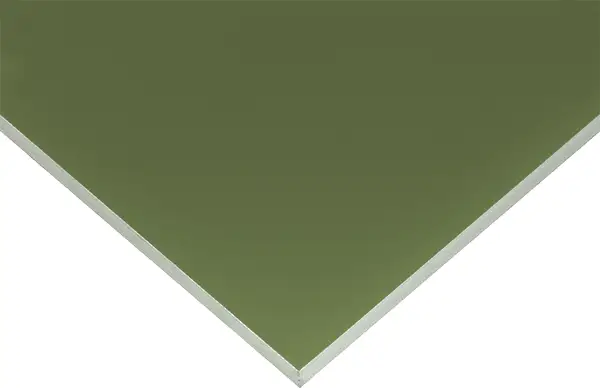
NorPLY 1002 is used for vibratory or shaker springs in shaker tables and other fatigue-intensive applications due to its exceptional fatigue resistance, which allows it to endure numerous load cycles without failure. Its unique non-woven parallel filament composition minimizes filament stress abrasion, enhancing durability in fatigue-intensive applications. Compared to 1060 spring steel, NorPLY offers greater energy storage capacity and can provide a weight reduction of 10% to 60%. NorPLY is resistant to chemicals and corrosion, allowing for its use in potentially hostile environments.

General Phenolic Properties

  • Strong, stiff, tough and durable
  • Excellent dielectric strength
  • Good machinability
  • Light weight
  • Heat and water resistant
  • Corrosion and chemical resistant
  • Good mechanical strength
  • Excellent wear properties
  • Good dimensional stability
  • Low moisture absorption
  • Excellent creep resistance

Phenolic Plastics & Phenolic Sheet Applications

Phenolic resins are found in myriad industrial products. Paper phenolics are used in manufacturing electrical components such as punch-through boards and household laminates. Glass phenolics are particularly well suited for use in the high speed bearing market. Snooker balls as well as balls from many table-based ball games are also made from phenol formaldehyde resin. The binding agent in normal (organic) brake pads, brake shoes and clutch disks are phenolic resin. Synthetic resin bonded paper, made from phenolic resin and paper, is used to make countertops. Phenolic resins are also used for making exterior plywood.

  • Printed circuit board substrates
  • Electrical insulators
  • Switch parts
  • Switch bases
  • Terminal boards
  • Insulating washers
  • Table tops, counter tops
  • Wear pads
  • Brake pads, brake shoes, clutch components
  • Wood and metal replacements

Physical Properties of Phenolic Plastics & Laminates

Property Paper Canvas Glass
Specific Gravity 1.35 1.37 1.8
Tensile Strength (psi) 11500 9000 38000
Flexural Strength (psi) 17000 15000 60000
Flexural Modulus (ksi) -- 1500 2400
Hardness, Rockwell M95 M100 M110
Maximum Continuous Service Temp. 266°F 257°F 266°F
Water Absorption @ 24H 2% 2% 0.10%

*Values listed are typical and are meant only as a guide to aid in design. Field testing should be performed to find the actual values for your application.

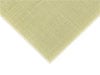
Phenolic Resin Sheets - Canvas, Linen & Paper Grades

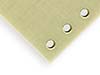
G10/FR4 Glass Epoxy Phenolic Sheets & Glass-Reinforced Laminates

NorPLY 1002 Vibratory Spring Material & Cut-to-Size Springs

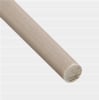
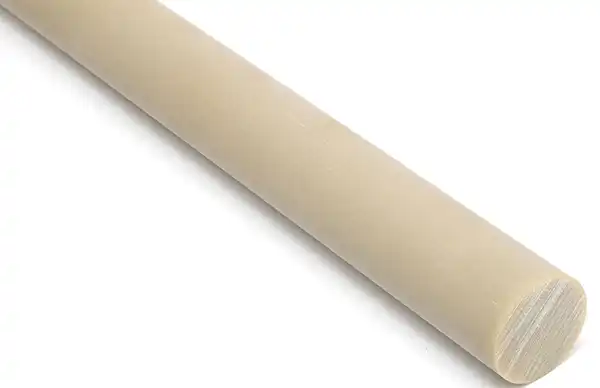
Phenolic & Glass Epoxy Laminate Rods

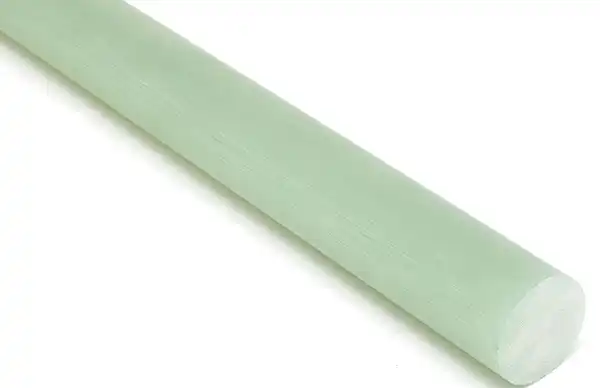
G10 FR4 glass epoxy rods suitable for structural, high humidity, and electrical insulation applications.
G-10/FR4 Phenolic Rod

Phenolic Wear Components & Pile Hammer Cushion Pads

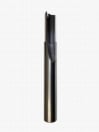
Cutting Tools for Machining Phenolic Plastics

Router bits designed to route phenolic with greater feed rates and reduced lateral tool stress.

Phenolic Router Bits


Interstate Plastics Suppliers