
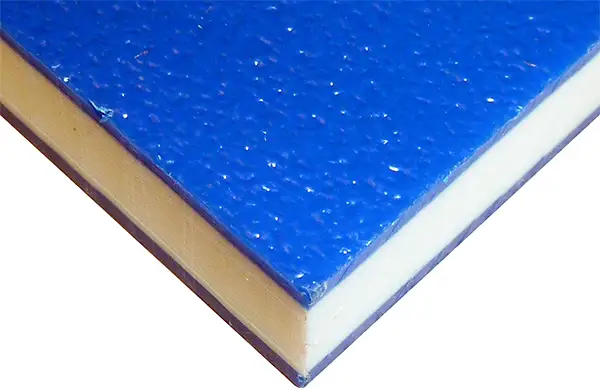
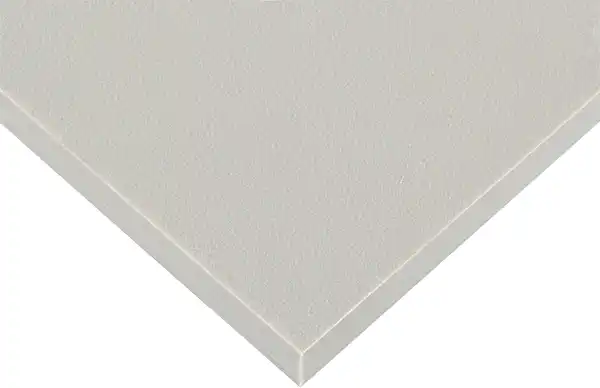
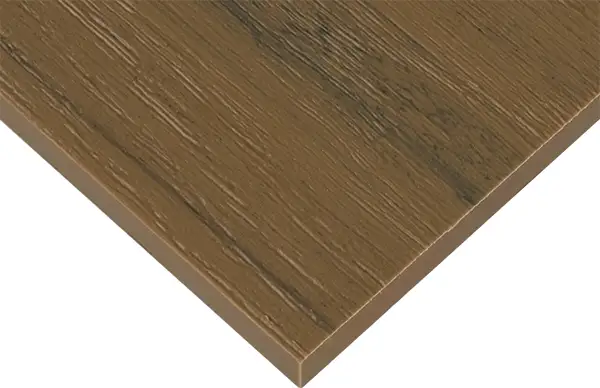
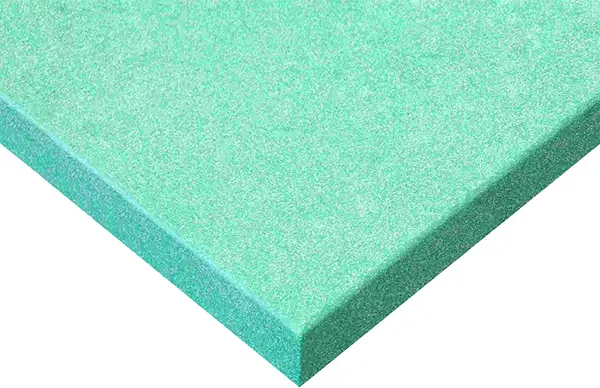
High Density Polyethylene is durable and used in many industrial applications.
Buy cut-to-size HDPE sheet & rod for marine, food-safe cutting boards, outdoor, and industrial use. Stocked in marine board, cutting board, pipe grade, antimicrobial, woodgrain, and UV/FDA options.
High Density Polyethylene is durable and used in many industrial applications.
HDPE has high impact strength and a low coefficient of friction.
HDPE cutting board is engineered for durability, low maintenance and safety.
UV-stabilized black marine board ideal for concealing scuffs on boat decks and walkways.

Marine Board XL is a lighter, economical version of Marine Board.
King Starboard withstands the rigors of harsh outdoor marine environments.

King Starboard XL is a lighter, economical version of King Starboard.

King Starlite XL Utility is a lightweight marine substrate utility sheet.

White marine-grade HDPE for boat cabinetry, hatches, panels, countertops, and exterior fixtures.
Plastic cutting bits by Onsrud are an industry standard in quality.

Marine Board XL is a lighter, economical version of Marine Board.

King Starlite XL Utility is a lightweight marine substrate utility sheet.

A/S Marine Board is a sure-grip decking material designed for high-traffic areas.

A neutral gray marine substrate designed to match OEM boat trims and outdoor cabinetry.

A/S Marine Board is a sure-grip decking material designed for high-traffic areas.

Marine Board XL is a lighter, economical version of Marine Board.

Light gray marine board for moisture-resistant walkways, trim, cabinetry, and outdoor components.
A/S Marine Board is a sure-grip decking material designed for high-traffic areas.

King Starlite XL Utility is a lightweight marine substrate utility sheet.

Off-white sea foam polymer sheet tailored for seamless marine furniture and fixture building.

Superior HDPE wood and metal replacement material for indoors and outdoors.

Sandshade marine-grade HDPE for outdoor panels, hatches, cabinetry, walkways, and boat trim.

A/S Marine Board is a sure-grip decking material designed for high-traffic areas.

Polymer construction material with desirable architectural specifications for long term durability.

Polymer construction material with desirable architectural specifications for long term durability.

Polymer construction material with desirable architectural specifications for long term durability.

Polymer construction material with desirable architectural specifications for long term durability.

Polymer construction material with desirable architectural specifications for long term durability.

Polymer construction material with desirable architectural specifications for long term durability.
Polymer construction material with desirable architectural specifications for long term durability.

Polymer construction material with desirable architectural specifications for long term durability.

White antimicrobial sheet actively resisting bacteria for medical and lab cabinetry.

Gray bacteria-resistant HDPE perfect for clean rooms and sterile hospital surfaces.

Sanshade antimicrobial panels designed for hygienic dental and clinical casework.

Seafoam sterile-grade polymer sheet for healthcare facilities and nursing stations.

Teak-finish outdoor polymer sheet for maintenance-free marine and patio furniture.
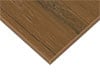
Whitewash woodgrain plastic lumber ideal for coastal-themed outdoor cabinetry.
Weatherwood finish HDPE that replaces aging dock boards and composite decking.
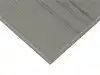
Dark ash textured HDPE for architectural replacements that resist rot and moisture.
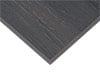
Rich mahogany-look plastic sheet for premium, weather-proof outdoor fixtures.
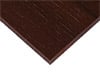
Ironwood woodgrain HDPE offering structural durability for outdoor park structures.
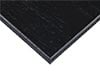
Kona brown textured polymer lumber replacing wood in high-moisture environments.
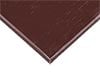
Aspen white wood-look HDPE for sanitary, easy-to-clean farm and marine enclosures.
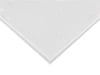
Hickory finish plastic sheet ideal for rustic, fade-resistant outdoor signage.
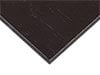
Coastal grey maintenance-free wood alternative for decking and marine walkways.
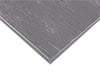
Elm woodgrain HDPE sheet for fabricating splinter-free playground components.
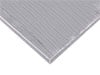
Maple-textured polymer replacing natural wood in wet indoor and outdoor applications.
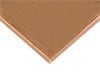
Mostly for signage applications, ColorCore withstands the harshest outdoor conditions.
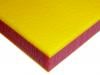
Mostly for signage applications, ColorCore withstands the harshest outdoor conditions.

Mostly for signage applications, ColorCore withstands the harshest outdoor conditions.

Mostly for signage applications, ColorCore withstands the harshest outdoor conditions.
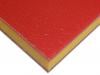
Mostly for signage applications, ColorCore® withstands the harshest outdoor conditions.
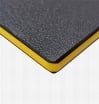
HDPE Sheet for Modular Playground Systems.

Red FDA-approved cutting board sheet designed for safe raw meat prep stations.

Blue food-grade HDPE cutting surface intended for safe raw seafood preparation.

Green commercial cutting board polymer specifically for washing and slicing produce.

Yellow NSF-compliant cutting board material designated for raw poultry processing.

Beige food-safe HDPE cutting board material ideal for cooked meats.
Rustication strips for smooth and even architectural reveals.

Black HDPE sheets with excellent weldability and chemical resistance.
HDPE designed to replace lead for nuclear shielding applications. Mil-P-23536 certified material.

Natural HDPE wear strips - FDA/USDA compliant. Cost-effective wear surface.

A very light and extremely tough, chemically resistant plastic.

HDPE rods offer a combination of high impact strength, low coefficient of friction, & light weight.

HDPE welding rod is sold by the pound, shipped in 4' straight lengths.

HDPE welding rod is sold by the pound, shipped in 4' straight lengths.

HDPE welding rod is sold by the pound, shipped in 4' straight lengths.

HDPE welding rod is sold by the pound, shipped in 4' straight lengths.

Plastic cutting bits by Onsrud are an industry standard in quality.
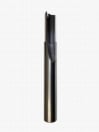
Onsrud 70-500 Series HSS High Speed Steel Two Flute Fractional Drill Bits for Plastic

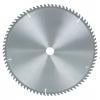
Carbide-tipped saw blades ideal for cutting brittle plastic.
6x6" sample of ABS, Acetal, Acrylic, HDPE, PVC, UHMW, and 3x3" sample of PTFE.

Plastic welding is easy with the Leister plastic welding kit.